Part of: Fundamental Analysis
How AMERISAFE's 8-K Reveals Insurance Quality
Small-cap specialty insurers like AMSF report on loss ratios and reserve development, not just EPS. Reading the combined ratio correctly changes the analysis.
 Marcus Chen8 min read
AMERISAFE files its quarterly earnings 8-K and most investors who glance at it will miss the line that matters most. It's not the revenue figure. It's not even the EPS. It's the combined ratio, and if you've only read P&C major earnings reports from Allstate or Travelers, you'll initially read AMSF's combined ratio incorrectly, because the business underneath it is structurally different.
Workers' compensation specialty insurance is a narrow, operationally intense business. It doesn't behave like the broad commercial lines portfolios that dominate headlines. Getting the read right starts with understanding what the company actually is.
TL;DR
- AMERISAFE ($AMSF) is a specialty workers' compensation insurer, primarily serving hazardous occupations: logging, roofing, oil and gas, trucking.
- Workers' comp has a structurally different claims pattern than most P&C lines, claims can have long tails because injured workers can collect benefits for years or decades.
- The three most important lines in an AMSF-style 8-K exhibit are: the combined ratio, reserve development, and investment yield.
- Small-cap specialty insurers are *not* just bond-portfolio proxies, despite what the rate-sensitivity argument implies. Underwriting quality is the primary driver of value over cycles.
- The comparison to P&C majors almost always misleads: AMSF's concentration in high-hazard workers' comp makes its loss ratio volatile in ways that a diversified multi-line insurer's isn't.
What Makes Workers' Comp Specialty Different
Most property and casualty insurance has relatively short claim settlement periods. A car gets hit, the claim is filed, the repair is paid, the case is closed, typically within months. Workers' compensation for hazardous occupations is the opposite. A logger injured on the job may receive disability benefits, medical payments, and rehabilitation support for years, sometimes decades. The liability doesn't close quickly.
This creates a long-tail business profile. AMERISAFE is underwriting not just the probability of an accident occurring in the current policy year, but the full lifetime cost of that accident. Initial loss estimates at the end of a policy year are exactly that, estimates. The actual cost will develop over years as claims mature, medical costs accumulate, and settlement patterns emerge.
This is why reserve development is a central item in AMSF's 8-K exhibit in a way it isn't for short-tail lines. Favorable reserve development (prior-year reserves proving redundant) boosts current earnings. Adverse development (prior-year reserves proving insufficient) is a direct hit. When you read AMSF's results without tracking reserve development separately, you're reading a number that conflates current-year underwriting performance with the resolution of old decisions.
How to Actually Read the 8-K Exhibit
The fundamental analysis of a specialty insurer requires a specific reading order for the earnings exhibit. Here's the sequence I use.
Combined ratio first. The combined ratio, losses plus expenses, divided by earned premiums, tells you whether the underwriting business is profitable before investment income. A combined ratio above 100% means the company is paying out more in claims and expenses than it's collecting in premiums; it's depending on investment income to be profitable overall. A combined ratio below 100% means the underwriting itself is generating profit. For AMSF, which operates in hazardous occupation workers' comp, a combined ratio consistently below 90% is exceptional, this business is hard to underwrite profitably, and good operators price risk carefully.
Reserve development as a separate line. AMSF's exhibit will show current accident year development and prior accident year development separately. Favorable prior-year development makes the current reported combined ratio look better than the current-year underwriting alone would suggest. This is why I always look at the accident-year loss ratio stripped of prior-year development, it tells you what the current book of business is pricing at, not what old decisions happened to resolve to.
Investment yield and portfolio duration. AMSF holds its float, the premiums collected before claims are paid, primarily in fixed income. Investment income is the second revenue driver after earned premiums. In a rising-rate environment, reinvestment of maturing bonds at higher yields improves investment income over time. In a falling-rate environment, investment income gradually declines as the portfolio rolls over at lower yields. Knowing the portfolio's average duration tells you how quickly the book reprices.
Premium growth and retention. New business volume and renewal retention tell you about competitive pricing dynamics. If AMSF is growing premiums quickly, either they're gaining market share or they're pricing harder (charging more per unit of risk exposed). The direction matters: aggressive growth in a hazardous-occupation specialty line can reflect disciplined market share capture or imprudent risk acceptance. Reading premium growth alongside the combined ratio disambiguates this.
The Counter-Argument: Isn't Insurance Just a Bond-Portfolio Proxy?
The simplest critique of specialty insurer analysis is that the whole exercise is just figuring out the bond portfolio. Insurance companies collect premiums, hold them as fixed income, and pay out claims. If you know the portfolio and the interest rate regime, you know the economics. The underwriting is secondary.
This framing has real merit for large, diversified P&C companies with predictable multi-line loss ratios. For those firms, the investment portfolio can dominate earnings swings quarter to quarter, especially in volatile rate environments. The "insurance as a bond portfolio" heuristic isn't wrong for those businesses.
But AMERISAFE's combined ratio volatility is large enough that it can swamp investment income effects in either direction. A bad accident year in the oil and gas segment, where a spike in rig activity increases exposure hours and injury frequency, can produce a combined ratio swing of several points. The earnings impact of that swing can easily exceed a quarter or two of investment income variation.
More precisely: a 5-point adverse move in the combined ratio on AMSF's premium base is a larger earnings swing than a 50-100 basis point move in investment yields on a modestly-sized bond portfolio. The underwriting is where the volatility lives. Treating AMSF like a rate-beta trade misses the primary earnings driver.
The Small-Cap Dimension
AMERISAFE is a small-cap company operating in a narrow product line. That combination creates specific characteristics worth tracking as part of small-cap fundamental analysis.
First, concentration risk. AMSF's exposure is weighted toward specific industries, oil and gas activity levels, construction volumes, and timber harvesting rates are more predictive of premium growth than broad GDP. When oil-patch activity accelerates, AMSF sees more insurable payrolls; when drilling slows, exposure contracts.
Second, limited diversification of the investment portfolio relative to a large multi-line carrier. AMSF's portfolio will typically be more conservative, shorter duration, higher credit quality, than a carrier with a much larger float. This is prudent given the long-tail liability, but it means the yield pickup from rate moves is more muted than for a larger carrier.
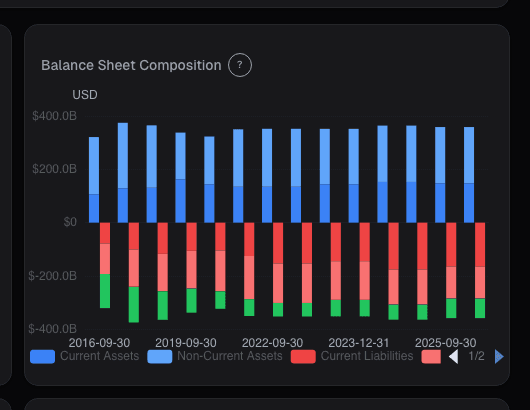
Third, book value per share is more meaningful for a small specialty insurer than it is for a conglomerate P&C company. AMSF's book value is primarily composed of investment portfolio holdings (marked to market) and reserves. If the investment portfolio has unrealized gains or losses, book value reflects them immediately. Tracking book value per share over time, specifically the tangible book value excluding goodwill from any acquisitions, gives you a clean view of whether the business is creating or destroying value net of dividends. A margin of safety calculation anchored to tangible book is more defensible for an insurer than a P/E multiple, precisely because the earnings line is noisy and book value is more stable.
Tying It Together: What a Good AMSF Quarter Looks Like
A strong quarter, stripped of noise: current accident year combined ratio below 90%, flat to favorable prior-year reserve development, modest premium growth consistent with hazardous-occupation employment trends, and stable investment yield. A weak quarter inverts all of these.
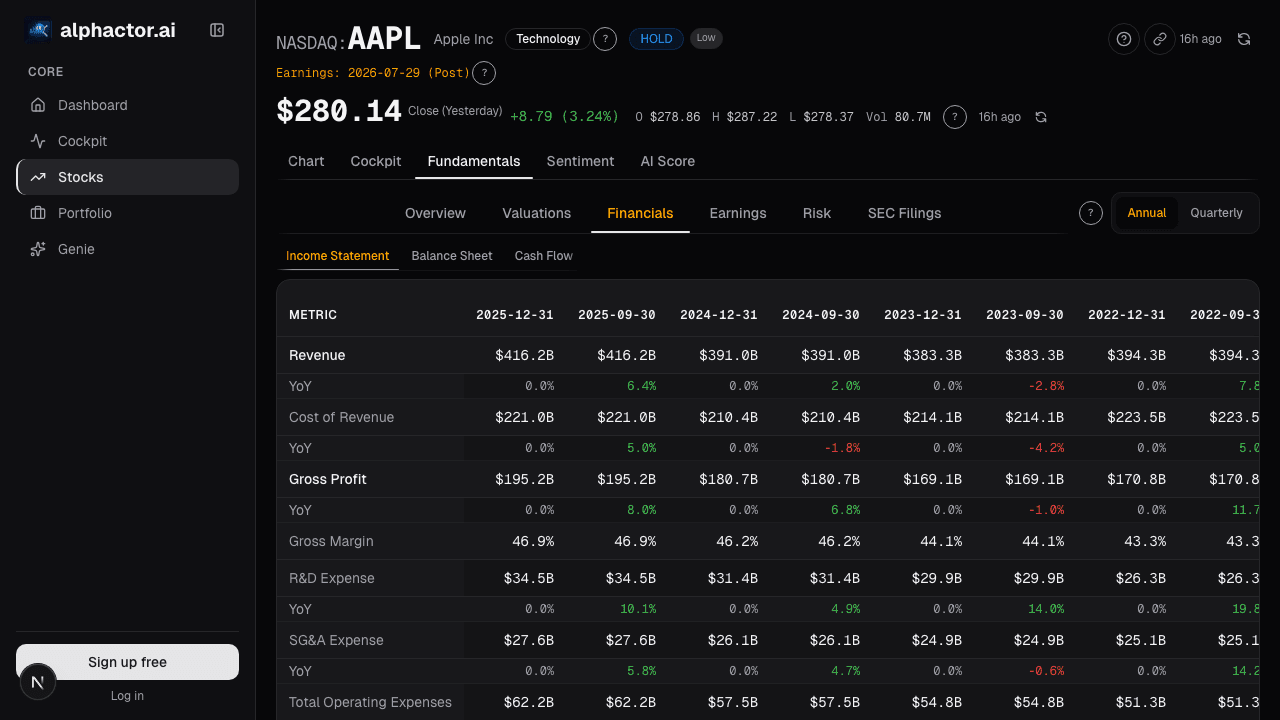
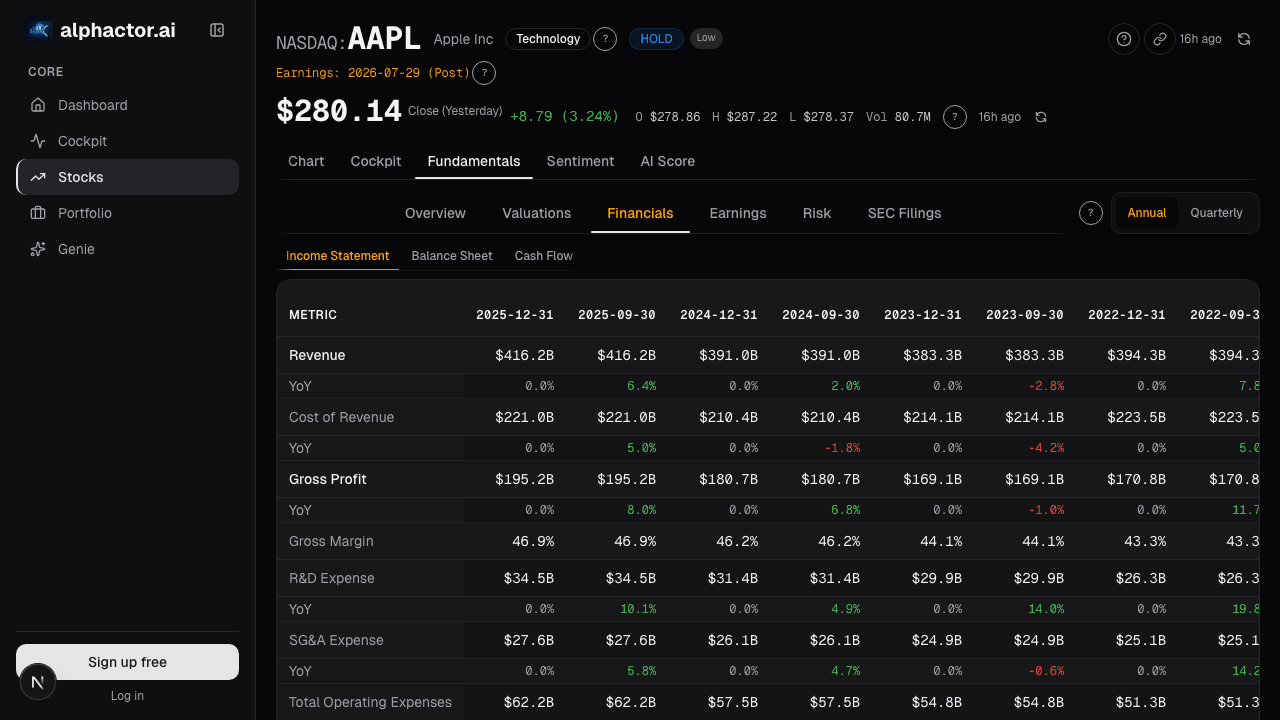
The 8-K exhibit has all of this if you read past the headline. A one-quarter loss-ratio spike from a cluster of accidents isn't the same as systematic underpricing. Trailing four-quarter trends in combined ratio and reserve development are more informative than any single quarter. The AMSF fundamentals card is where I keep that rolling picture, combined ratio, premium growth, and book-value trend stacked in one view, and the AMSF conviction score gives me a read on whether the market has caught up to the underwriting narrative or is still mispricing the tail.
FAQ
How is AMERISAFE different from a large workers' comp carrier like Zurich or Berkshire Hathaway Homestate?
Scale and diversification are the primary differences. Large multi-line carriers absorb hazardous occupation workers' comp as one segment among many. AMSF's entire business is this single segment, so adverse development has nowhere to hide. This is why AMSF's combined ratio is more volatile quarter-to-quarter and why the individual exhibit lines matter more than they would for a diversified insurer.
Why does reserve development matter so much for long-tail lines?
Claims in workers' comp for serious injuries can take many years to settle. Each quarter the company updates its estimate of what it will ultimately pay on open claims. When estimates prove conservative, earnings get a boost; when optimistic, a charge. For long-tail specialty lines like hazardous occupation workers' comp, prior-year development is a substantial part of each quarter's earnings story.
What does a rising combined ratio signal for AMSF?
It could mean several things: increased accident frequency (more injuries per unit of exposure), more severe claims (higher cost per injury, often driven by medical cost inflation), pricing softening (AMSF taking on risk at lower premiums to retain accounts), or adverse reserve development from prior years. The 8-K exhibit won't always isolate which driver dominates, but the management commentary in the earnings call typically addresses this. Reading the combined ratio alongside premium growth and development separately helps narrow the source.
Is AMSF's dividend sustainable in a low-profitability environment?
AMERISAFE has historically paid a regular dividend plus periodic special dividends, funded by consistent underwriting profitability. The sustainability question centers on the combined ratio, if it deteriorates toward or above 100% for multiple quarters, dividend capacity diminishes. Book value growth is the long-run check on dividend sustainability: a company consistently paying out more than it earns will see book value erode.
How should I compare AMSF's investment yield to peers?
Compare to other workers' comp specialists and long-tail specialty carriers, not to short-tail P&C names. Long-tail liability structures require holding a longer-duration, more conservative bond portfolio as a liability match. AMSF's yield will look lower than a short-tail carrier's, but the comparison is misleading because the liability profile demands different asset management. Within the long-tail peer group, yield comparisons are more informative.
Related posts
See it in the app
Live dashboard views that match this post. Each tile deep-links to the exact card.
Stocks mentioned
Ready to try alphactor.ai?
Validate your trading strategies with statistical credibility testing. Start free.
Get Started Free