Defense Stocks: Government Contracts as a Revenue Moat
How defense contractors generate durable revenue through government contracts, and the metrics that matter for analyzing Lockheed Martin, RTX, and their peers.
 Marcus Chen4 min read
A Business Model Unlike Any Other
Defense contractors operate in a market with one dominant customer, multi-year contract visibility, and barriers to entry that make Big Tech's moats look shallow. The US Department of Defense spent $886 billion in fiscal 2024, and the five largest contractors -- Lockheed Martin, RTX, Northrop Grumman, General Dynamics, and Boeing's defense segment -- capture a disproportionate share.
Once a prime contractor wins a major weapons program, it typically owns that revenue stream for decades. The F-35 will generate revenue for Lockheed Martin through the 2060s. That is a contractual reality backed by the full faith and credit of the US government.
The Backlog Is the Balance Sheet
For defense companies, the order backlog is the most important metric on the balance sheet -- arguably more important than the balance sheet itself. Backlog represents contracts awarded but not yet completed, providing multi-year revenue visibility.
Lockheed Martin's backlog exceeds $160 billion, roughly four years of revenue. Northrop Grumman's sits above $80 billion. RTX carries over $200 billion in combined defense and commercial aerospace backlog. These are not speculative pipeline estimates; they are signed contracts with funded obligations.
When analyzing defense stocks, track three backlog metrics:
Total backlog growth. Is the company winning enough new contracts to replace completed work and grow? A shrinking backlog is an early warning of future revenue decline, sometimes years before it shows up in actual results.
Book-to-bill ratio. New orders divided by revenue. Above 1.0 means the backlog is growing; below 1.0 means it is depleting. A sustained book-to-bill below 1.0 demands explanation.
Funded versus unfunded backlog. Funded backlog has Congressional appropriations behind it and will convert to revenue. Unfunded backlog is authorized but not yet funded, making it somewhat less certain. The ratio between the two indicates near-term revenue certainty.
Alphactor's fundamentals view surfaces revenue growth trends and margin profiles that, combined with backlog data from quarterly filings, give you a complete picture of defense company health.
Margin Structure and Contract Types
Defense contracts come in two primary forms, and the distinction matters enormously for profitability.
Cost-plus contracts reimburse the contractor for allowable costs plus a negotiated fee. The contractor bears minimal cost risk but earns modest margins (8-12%). These contracts dominate during development phases of new weapons systems when costs are uncertain.
Fixed-price contracts set a firm price at award. If the contractor delivers under budget, it keeps the savings. If costs overrun, the contractor absorbs the loss. Fixed-price contracts offer higher potential margins (12-18%) but carry real execution risk.

The industry trend toward fixed-price contracts on complex development programs has created margin pressure and occasional disasters. Boeing's fixed-price contract for the KC-46 tanker program resulted in cumulative charges exceeding $7 billion. RTX took significant charges on fixed-price Pratt & Whitney engine programs. These overruns are not accounting abstractions; they represent billions in shareholder value destroyed.
When comparing defense contractors, examine the mix of cost-plus versus fixed-price contracts and the company's track record on fixed-price execution. A contractor with a history of on-time, on-budget delivery deserves a valuation premium over one with recurring charges.
The Budget Cycle Driver
Defense stocks are ultimately tied to the US defense budget, which follows its own cycle driven by geopolitical threat perceptions, political priorities, and fiscal constraints.
The post-2022 environment has been broadly positive. Russia's invasion of Ukraine triggered increased NATO spending commitments. Rising tensions with China have driven US investments in Pacific-theater capabilities. Bipartisan consensus on defense spending has supported budget growth above inflation.
However, fiscal pressure is real. The 2011 Budget Control Act and sequestration demonstrated that defense budgets can face real cuts when austerity becomes a priority. Smart defense investors track the authorization and appropriations calendar, monitor Congressional markups via the congress tracker for program-level changes, and follow National Defense Strategy priorities. Cybersecurity, space, unmanned systems, and hypersonic weapons are current growth areas benefiting specific contractors.
International Sales: The Growth Engine
As US budget growth moderates, international sales are becoming a larger share of contractor revenues. Allied nations increasing their own defense spending create a market that is growing faster than the US base budget. Lockheed Martin's F-35 international orders, RTX's Patriot missile system sales, and General Dynamics' armored vehicle exports all represent significant incremental revenue.
International contracts carry higher political risk (export licenses, foreign government stability) but often come with attractive margins and long tails of parts and maintenance revenue. A strong international order book is a positive differentiator in defense company analysis.

Portfolio Considerations
Defense stocks combine moderate growth (3-7% revenue, somewhat higher earnings through margin expansion and buybacks), stable dividends (1.5-3% yields with consistent growth), and low correlation with the business cycle. Recessions do not cut defense budgets in the way they cut consumer spending or corporate IT investment.
The main risks are program execution (fixed-price overruns), budget cuts, and geopolitical de-escalation that reduces the political appetite for defense spending. Use the universe scanner to compare defense names on free cash flow yield, backlog growth, and return on invested capital. The sector rewards investors who understand contract economics and budget dynamics rather than those chasing headlines about the latest geopolitical crisis.
See it in the app
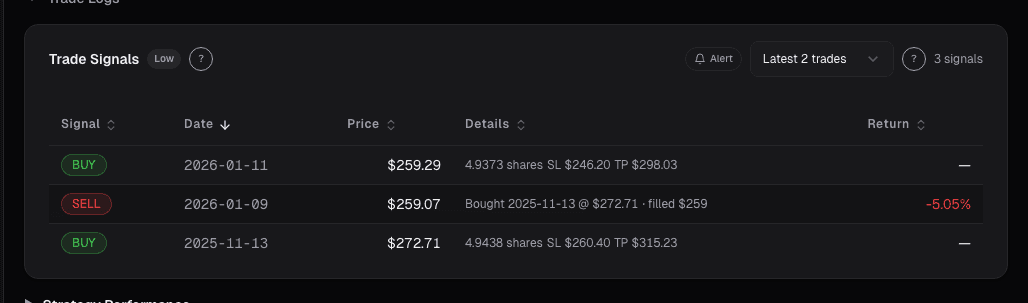
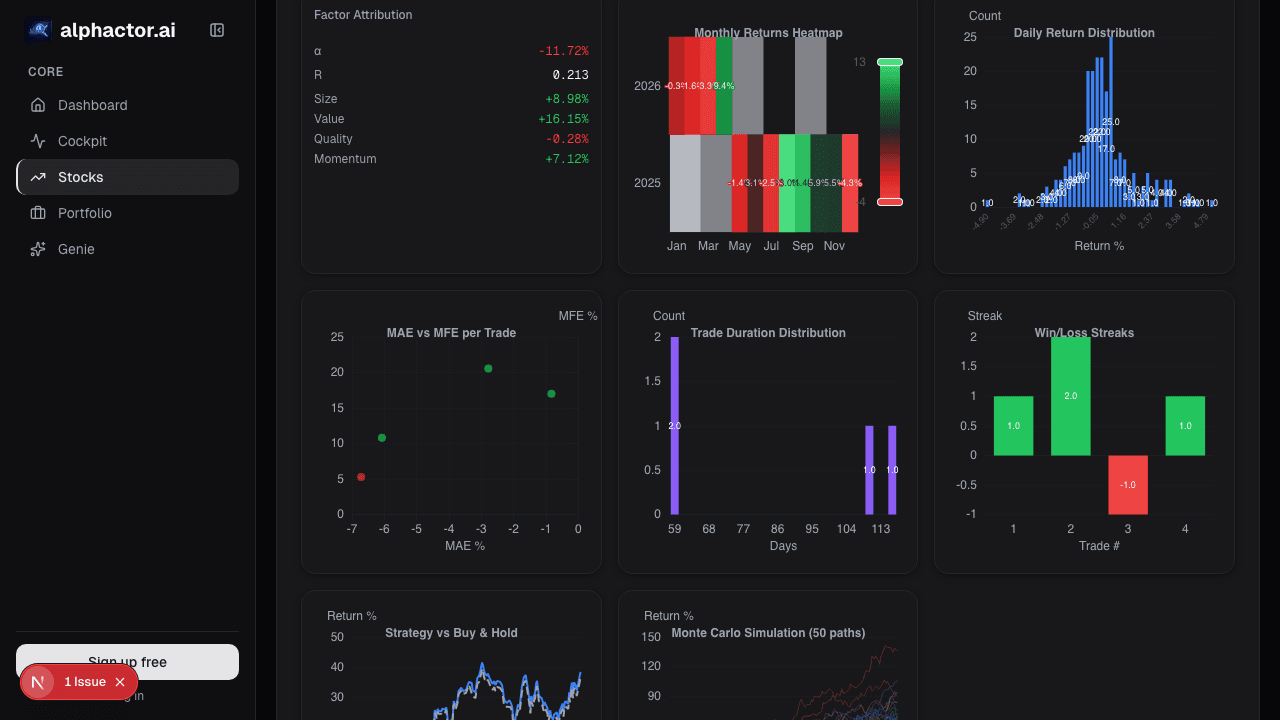
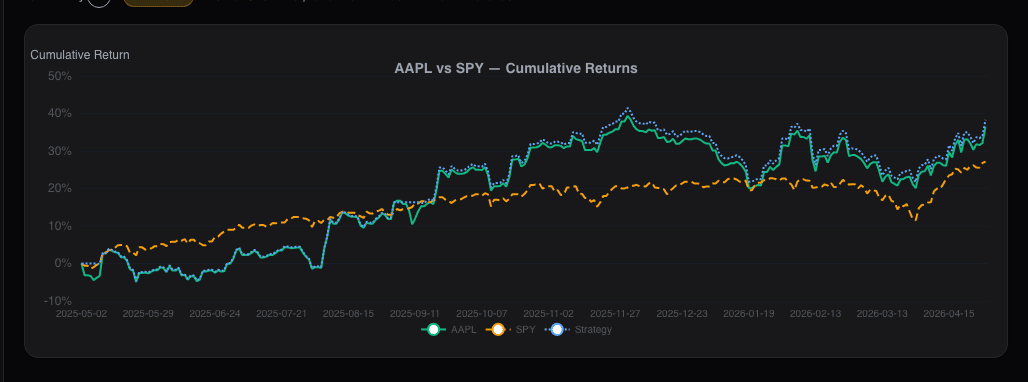
Live dashboard views that match this post. Each tile deep-links to the exact card.

Stocks mentioned
Related reading
Consumer Staples as Portfolio Defense
Why consumer staples outperform during downturns, which metrics define quality in the sector, and how to use boring stocks as portfolio insurance.
Energy Stocks and the Commodity Cycle
How commodity price cycles drive energy stock returns, and a framework for timing entries and exits across upstream, midstream, and downstream companies.
Bank Stocks and Interest Rates
Why the simplistic 'higher rates help banks' narrative breaks down, and how to analyze financial stocks through net interest margin, credit quality, and the…
Healthcare Investing: Pharma, Biotech, and the FDA Calendar
A framework for navigating healthcare stocks across pharma, biotech, and medical devices, with emphasis on regulatory catalysts and pipeline valuation.
Industrial Stocks: Betting on the Real Economy
How industrial stocks track economic growth, the leading indicators that predict their performance, and a framework for investing across the industrial…
How to Analyze REITs: FFO, NAV
A practical guide to REIT-specific valuation metrics, including FFO, AFFO, NAV, and the cap rate framework that replaces traditional equity analysis.
Ready to try alphactor.ai?
Validate your trading strategies with statistical credibility testing. Start free.
Get Started Free