Healthcare Investing: Pharma, Biotech, and the FDA Calendar
A framework for navigating healthcare stocks across pharma, biotech, and medical devices, with emphasis on regulatory catalysts and pipeline valuation.
 Marcus Chen4 min read
Healthcare Is Not One Sector
Treating healthcare as a single investment thesis is a common retail mistake. The sector contains at least four distinct business models, each with different risk profiles, growth drivers, and valuation frameworks. Large-cap pharma (Pfizer, Merck, Eli Lilly) trades on patent cliffs and pipeline depth. Biotech (Vertex, BioMarin, hundreds of pre-revenue names) trades on clinical trial outcomes and FDA decisions. Medical devices (Intuitive Surgical, Stryker, Abbott) trades on procedure volumes and hospital capital budgets. Managed care (UnitedHealth, Elevance) trades on enrollment growth and medical loss ratios.
Lumping them together guarantees you will misvalue at least three of the four.
The Patent Cliff: Pharma's Permanent Problem
Every large pharma company lives under the same structural pressure: blockbuster drugs eventually lose patent protection, generics flood the market, and revenue falls off a cliff. Humira generated $21 billion annually for AbbVie before biosimilar competition arrived. Bristol-Myers Squibb faces a similar reckoning as Eliquis and Opdivo approach patent expiry.
The investment question for large pharma is always the same: can the pipeline replace the revenue that patent expirations will take? This makes pipeline analysis and M&A strategy the two most important factors in pharma valuation. A company trading at 10x earnings with a thin pipeline and looming patent cliffs is not cheap. It is priced for decline.
Alphactor's stock comparison tool is useful here for placing pharma companies side by side on R&D spend as a percentage of revenue, pipeline stage distribution, and forward earnings estimates that bake in patent expiry timelines.
Biotech: Binary Outcomes and Position Sizing
Small and mid-cap biotech is a different animal entirely. Many of these companies have zero revenue, negative earnings, and valuations based entirely on the probability-weighted outcome of clinical trials. A Phase 3 readout can double a stock overnight or cut it by 70%.
The FDA calendar is the biotech investor's most important tool. PDUFA dates (Prescription Drug User Fee Act target action dates) are the deadlines by which the FDA must act on drug applications. These dates are known months in advance and create predictable windows of volatility.
For investors who want biotech exposure without betting on single trial outcomes, the approach is straightforward: diversify across multiple pipeline-stage companies, size positions according to risk, and never put more capital into a pre-revenue biotech than you can afford to lose entirely. A basket of five biotech positions where one triples, two double, one is flat, and one goes to zero still produces a strong aggregate return.
Medical Devices: The Procedure Volume Play
Medical devices is arguably the most investable corner of healthcare for long-term holders. The business model combines recurring revenue (disposable components, service contracts), high switching costs (surgeons train on specific platforms), and demographic tailwinds (aging populations need more procedures).
Intuitive Surgical is the textbook example. Its da Vinci robotic surgery systems have an installed base exceeding 9,000 units globally. Each system generates recurring revenue through instrument sales and service agreements. The installed base grows each year, and procedure counts per system also grow as surgeons adopt the platform for new surgery types. This creates a compounding revenue engine that is nearly impossible for competitors to replicate at scale.
Device companies trade at premiums, often 25-35x earnings, that look expensive in isolation but reflect durable competitive advantages. The metric to watch is procedure volume growth, not just unit sales.
Managed Care: The Enrollment Machine
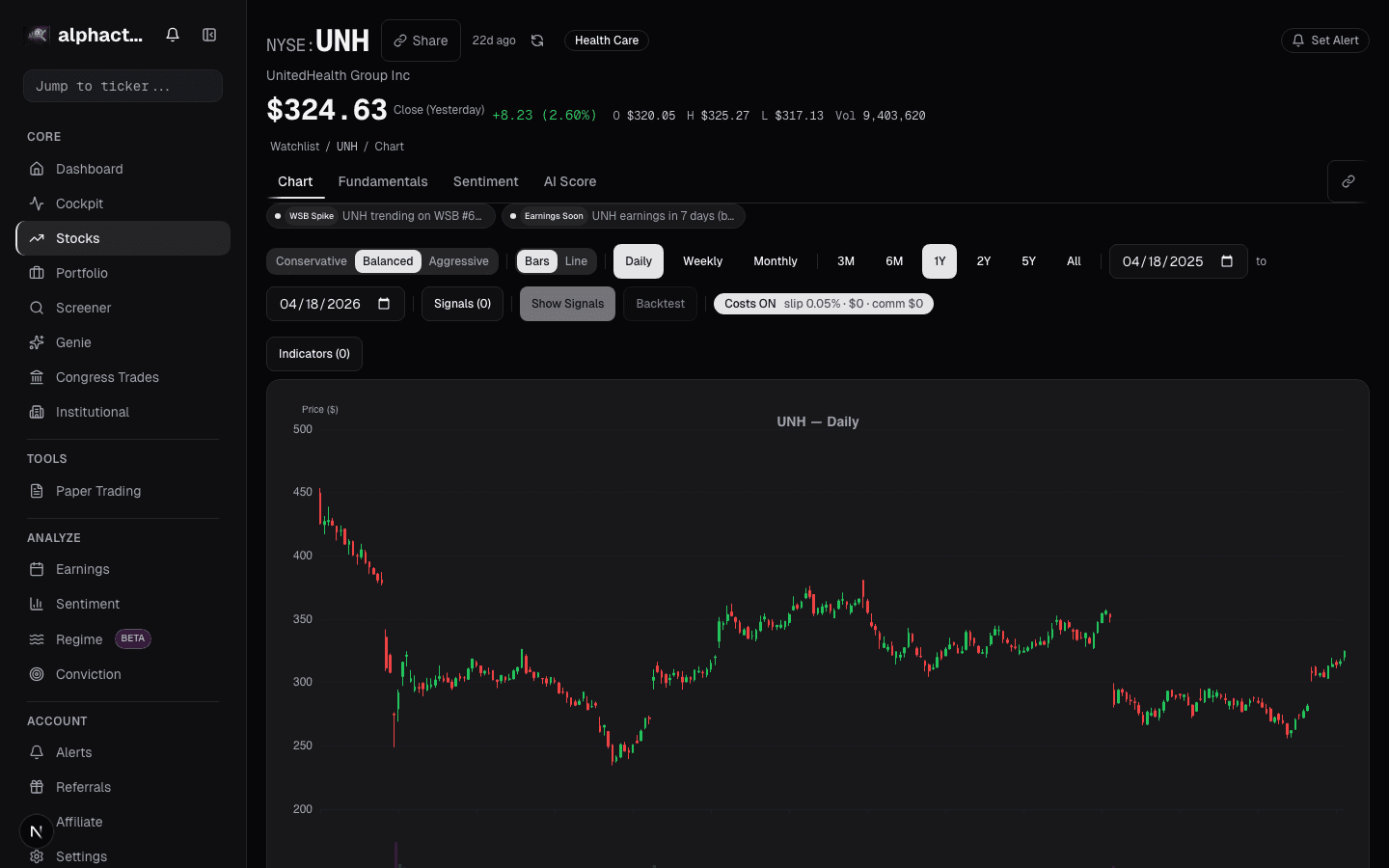
Health insurers like UnitedHealth Group and Elevance Health are often overlooked in healthcare sector discussions, but they are among the most consistent compounders in the market. UnitedHealth has grown earnings at a 13-15% CAGR for over a decade.
The key metrics are medical loss ratio (MLR), which measures what percentage of premiums go to actual medical claims, and enrollment growth, particularly in Medicare Advantage where demographic trends drive expansion. An MLR that ticks up 100 basis points can wipe out a quarter's earnings beat. Regulatory risk is real but historically manageable: threats of Medicare Advantage payment cuts create buying opportunities more often than permanent impairments.
Regulatory Risk Is the Common Thread
Across all healthcare sub-sectors, government policy is the elephant in the room. Drug pricing legislation, FDA approval standards, hospital reimbursement rates, and insurance regulation all flow from political decisions that can shift faster than business fundamentals. The Inflation Reduction Act's drug price negotiation provisions materially impacted pharma valuations in 2023-2024, and similar policy shifts will continue.
This is not a reason to avoid healthcare. It is a reason to diversify within the sector and to price regulatory risk into your expected returns rather than being surprised by it.
Building a Healthcare Allocation
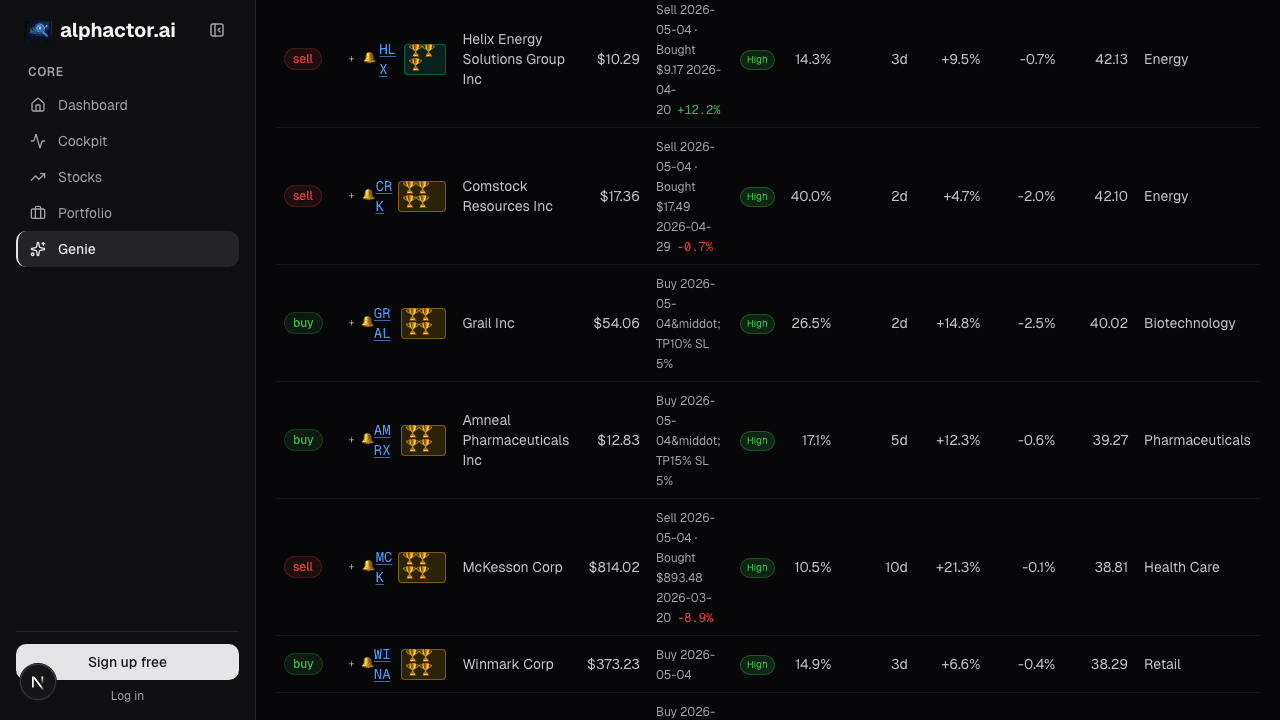
A balanced healthcare allocation might include two to three large-cap pharma or managed care names for stability and dividends, one to two device companies for growth, and a small allocation to biotech for asymmetric upside. Use the universe scanner to monitor capital rotation within healthcare sub-sectors, and check the screener for healthcare names where valuation has compressed below historical norms without a corresponding deterioration in fundamentals view.
The sector rewards patient, informed investors who understand that each sub-sector operates on its own logic. Apply the wrong framework and you will either overpay for safety or underestimate binary risk.
See it in the app
Live dashboard views that match this post. Each tile deep-links to the exact card.

Stocks mentioned
Related reading
How to Analyze Tech Stocks
The financial metrics that separate winning tech investments from hype-driven traps, with frameworks for evaluating SaaS, hardware, and platform businesses.
Defense Stocks: Government Contracts as a Revenue Moat
How defense contractors generate durable revenue through government contracts, and the metrics that matter for analyzing Lockheed Martin, RTX, and their peers.
Industrial Stocks: Betting on the Real Economy
How industrial stocks track economic growth, the leading indicators that predict their performance, and a framework for investing across the industrial…
Semiconductor Stocks: Cyclical, Essential
How to invest in semiconductor stocks by understanding the chip cycle, supply chain structure, and competitive moats that define the industry.
Utility Stocks for Income: Yield, Safety
How to evaluate utility stocks for income portfolios, including the regulatory framework, rate sensitivity dynamics, and metrics that identify quality…
Ready to try alphactor.ai?
Validate your trading strategies with statistical credibility testing. Start free.
Get Started Free