Utility Stocks for Income: Yield, Safety
How to evaluate utility stocks for income portfolios, including the regulatory framework, rate sensitivity dynamics, and metrics that identify quality…
 Marcus Chen4 min read
The Appeal Is Obvious
Utility stocks check every box that income investors care about. Regulated monopolies with captive customers. Predictable cash flows backed by rate structures approved by state commissions. Dividend yields consistently among the highest of any equity sector. NextEra Energy, Duke Energy, Southern Company -- these are names that have been paying and raising dividends for decades.
The appeal is real, but so are the risks that income investors routinely underestimate. The biggest one has nothing to do with the companies themselves.
The Regulatory Compact
Most electric and gas utilities operate as regulated monopolies: sole provider in their service territory, but a state public utility commission (PUC) determines what they can charge and what return they earn on invested capital.
The PUC sets an allowed return on equity (ROE), typically 9-11%, and a rate base (total assets on which the utility earns that return). Growth comes from expanding rate base through capital investment in grid infrastructure, renewable generation, or system upgrades. A utility with a constructive regulator grows steadily. One facing a hostile regulatory environment stagnates.
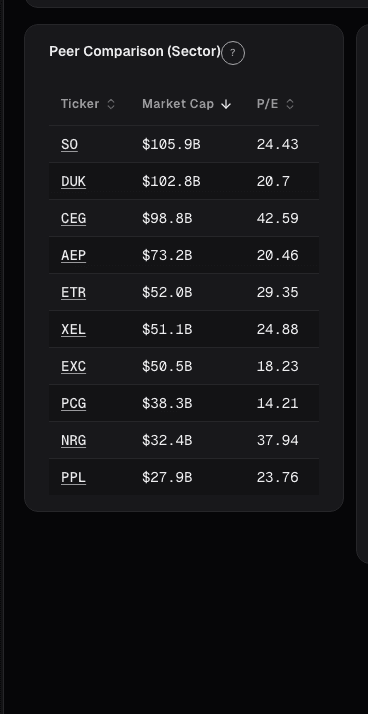
The regulatory environment in primary jurisdictions matters as much as any financial metric. Florida, Texas, and Georgia are generally constructive. California and New York can be more challenging. Alphactor's stock comparison tool helps rank utilities on earned ROE versus allowed ROE, revealing whether the regulatory relationship is supportive or adversarial.
The Interest Rate Trap
Utilities are the most interest-rate-sensitive equity sector. When Treasury yields rise, utility stocks decline because their dividend yields become less attractive relative to risk-free alternatives. During 2022-2023, the Utilities Select Sector SPDR (XLU) fell over 20% even as underlying businesses operated normally.
The trap is that income investors are drawn to utilities precisely when rates are low and yields scarce, which is when utilities are most vulnerable to rate normalization. Buying at 2.5% yield when the 10-year Treasury is at 1.5% feels safe until the 10-year rises to 4.5% and the stock needs to fall 30-40% for its yield to compete.
The defense: evaluate utility yields relative to Treasury yields, not in isolation. A utility yielding 4% when Treasuries yield 4% is fundamentally different from the same stock at the same yield when Treasuries yield 2%.
Metrics That Matter
Beyond dividend yield and the regulatory environment, several metrics separate quality utility investments from mediocre ones.
Payout ratio (earnings basis). Utilities typically pay out 60-75% of earnings as dividends. Above 80% leaves no room for earnings volatility without threatening the dividend. Below 55% suggests management is retaining more than necessary, which can signal either investment opportunity or capital discipline issues.
Rate base growth. This is the utility growth engine. Rate base growing at 6-8% annually translates to similar earnings growth over time. Below 4% signals limited investment opportunity. The best growth stories in utilities today come from companies with large renewable energy or grid modernization capital plans that expand rate base while aligning with state clean energy mandates.
Debt-to-capital ratio. Utilities are inherently leveraged businesses because the regulatory model supports debt-funded capital investment. A debt-to-capital ratio of 55-65% is normal and healthy. Above 70% introduces refinancing risk, especially in rising rate environments where maturing debt gets replaced at higher coupons.
FFO-to-debt. Credit rating agencies use this metric to assess utility financial health. Above 14% is generally consistent with investment-grade credit. Below 12% signals potential downgrade risk, which would increase borrowing costs and pressure earnings.
The Growth Exception: Renewables and Data Centers
The traditional knock on utilities, that they are low-growth dividend plays, has an important exception. Utilities with significant renewable energy portfolios or exposure to data center electricity demand are posting growth rates well above the sector average.
NextEra Energy, the largest utility by market cap, has grown earnings per share at 10%+ annually by aggressively deploying wind and solar through its NextEra Energy Resources subsidiary. The Inflation Reduction Act's production and investment tax credits extended through the 2030s provide a long runway for this capital deployment strategy.
Data center proliferation is creating unprecedented electricity demand growth in regions that host major hyperscaler facilities. Dominion Energy in Virginia, which hosts a massive concentration of data centers in Loudoun County, and AES Corporation have seen their load growth forecasts revised sharply upward.
These growth utilities trade at premium valuations (20-25x earnings versus 15-18x for traditional utilities) but offer a rare combination of defensive characteristics and above-average earnings growth.
Building a Utility Allocation
A practical utility allocation for income-oriented investors includes two to three traditional regulated utilities in constructive regulatory jurisdictions for yield, and one growth-oriented name with renewable or data center exposure for capital appreciation. Size the allocation based on your view of interest rates: underweight when rates are likely rising and yields are historically tight, overweight when the rate cycle is peaking and yields have expanded.
Use the portfolio dashboard to track utility performance relative to bond yields and the broader market. When utilities lag during a rate hiking cycle, that underperformance eventually creates yield levels attractive enough to draw capital back. The cycle has repeated for decades. Patience and rate awareness are the edge.
See it in the app
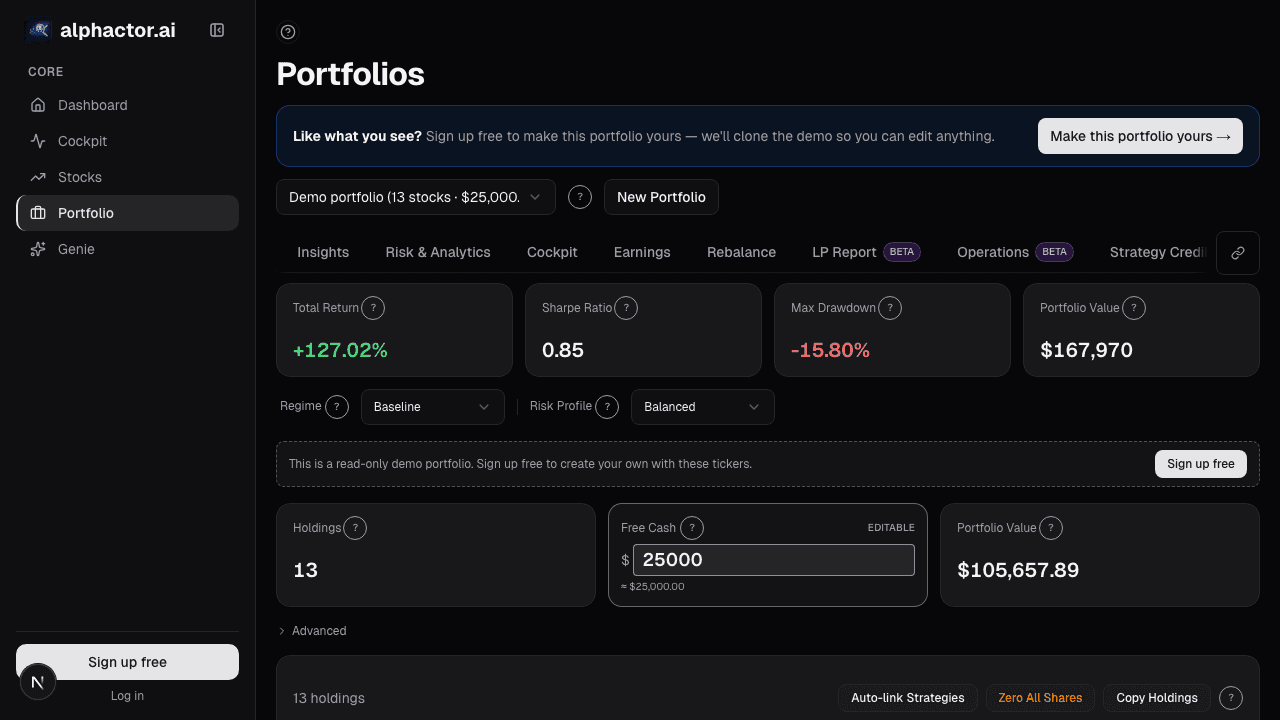
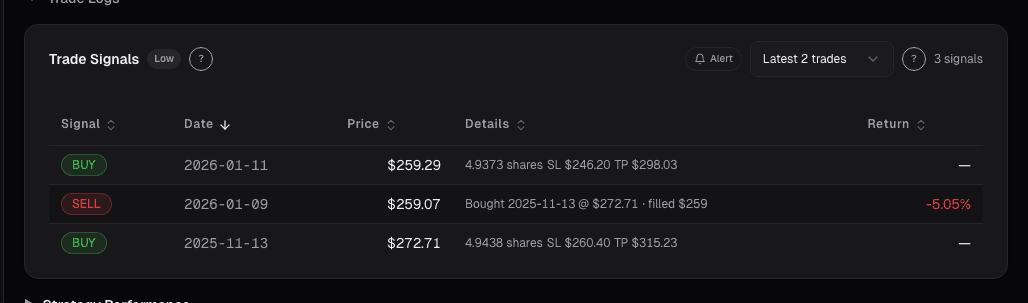
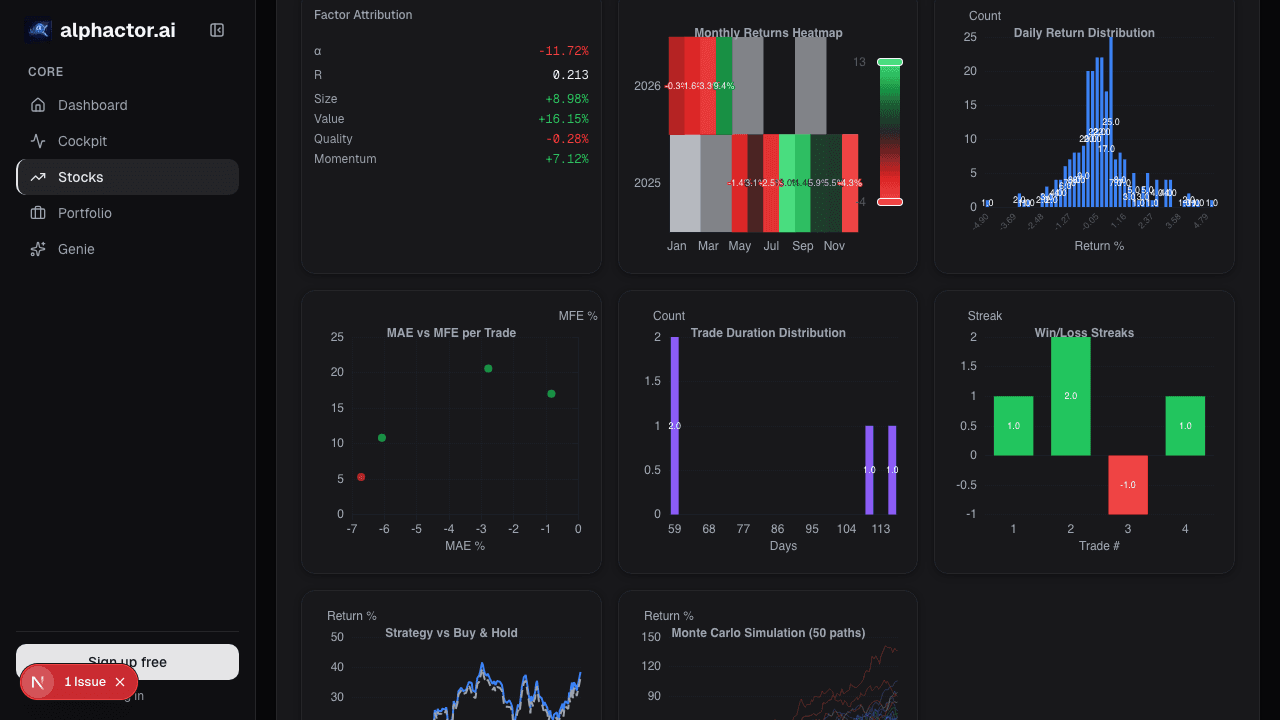
Live dashboard views that match this post. Each tile deep-links to the exact card.

Stocks mentioned
Related reading
How to Analyze Tech Stocks
The financial metrics that separate winning tech investments from hype-driven traps, with frameworks for evaluating SaaS, hardware, and platform businesses.
Consumer Staples as Portfolio Defense
Why consumer staples outperform during downturns, which metrics define quality in the sector, and how to use boring stocks as portfolio insurance.
Defense Stocks: Government Contracts as a Revenue Moat
How defense contractors generate durable revenue through government contracts, and the metrics that matter for analyzing Lockheed Martin, RTX, and their peers.
Energy Stocks and the Commodity Cycle
How commodity price cycles drive energy stock returns, and a framework for timing entries and exits across upstream, midstream, and downstream companies.
Bank Stocks and Interest Rates
Why the simplistic 'higher rates help banks' narrative breaks down, and how to analyze financial stocks through net interest margin, credit quality, and the…
Healthcare Investing: Pharma, Biotech, and the FDA Calendar
A framework for navigating healthcare stocks across pharma, biotech, and medical devices, with emphasis on regulatory catalysts and pipeline valuation.
Ready to try alphactor.ai?
Validate your trading strategies with statistical credibility testing. Start free.
Get Started Free