Semiconductor Stocks: Cyclical, Essential
How to invest in semiconductor stocks by understanding the chip cycle, supply chain structure, and competitive moats that define the industry.
 Marcus Chen4 min read
The Most Important Industry Nobody Understands
Semiconductors sit at the foundation of every technology trend investors care about: artificial intelligence, cloud computing, electric vehicles, autonomous driving, 5G, and the Internet of Things. There is no digital economy without chips. Yet most investors analyze semiconductor stocks with the same framework they use for software companies, and the results are predictably poor.
Semiconductors are a cyclical manufacturing industry with enormous capital requirements, long lead times, and demand patterns driven by inventory cycles as much as end-market growth. Treating them like recurring-revenue software businesses leads to buying at cycle peaks and panic-selling at troughs.
The Chip Cycle Is Real and Predictable
The semiconductor cycle typically runs 3-5 years from trough to trough, driven by the mismatch between capacity investment and demand. The pattern repeats with remarkable consistency:
Phase 1: Shortage. Demand exceeds supply. Lead times stretch from weeks to months. Customers double-order to secure allocation. Chip companies report blowout earnings and raise prices. Stocks rally.
Phase 2: Investment. Flush with cash and facing customer demand, companies invest heavily in new capacity. Fab construction takes 2-3 years. Everyone builds simultaneously.
Phase 3: Oversupply. New capacity comes online just as demand softens. Double-orders get cancelled. Inventories balloon. Prices fall. Companies that looked like growth stories suddenly post revenue declines.
Phase 4: Correction. Capex gets slashed. Weaker players exit or consolidate. Inventories work down. The stage is set for the next shortage.
The 2020-2023 period was a textbook illustration. COVID drove a demand surge (Phase 1), triggering massive capacity investment (Phase 2). By mid-2023, memory and analog chip markets were deep in oversupply (Phase 3), while AI-related demand kept certain segments like high-bandwidth memory and advanced logic tight. Understanding where each sub-segment sits in the cycle is essential to timing semiconductor investments.
The Supply Chain: Where Value Concentrates
The semiconductor supply chain is the most concentrated and strategically important industrial chain on the planet. Understanding its structure reveals where the real competitive moats exist.
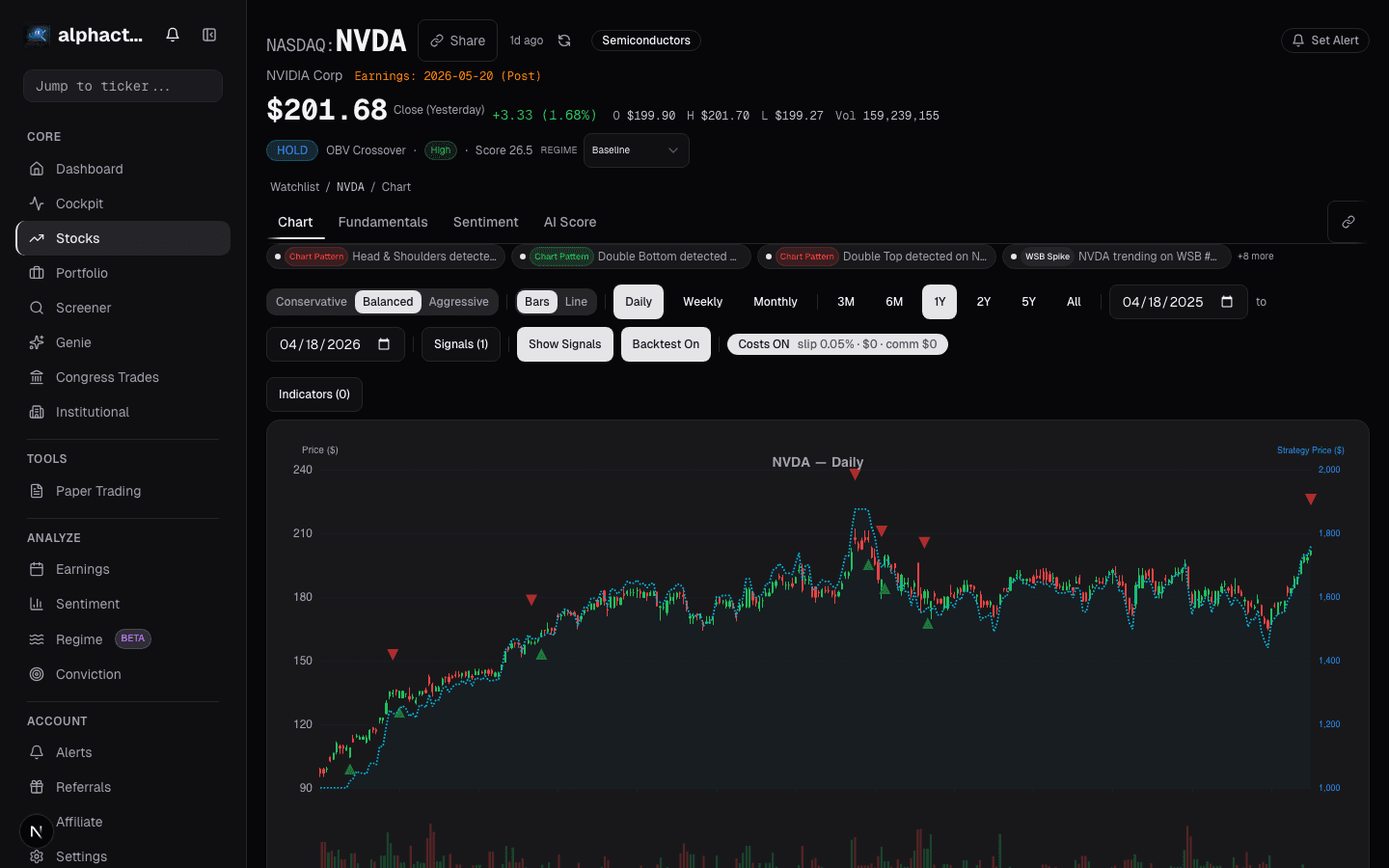
Design (fabless). Companies like NVIDIA, AMD, Qualcomm, and Broadcom design chips but outsource manufacturing. This model is capital-light with high gross margins (60-75%) but depends entirely on foundry partners for production.
Manufacturing (foundries). TSMC dominates with over 55% of global foundry revenue and a near-monopoly on leading-edge nodes below 7nm. Samsung is a distant second. The capital requirements are staggering: a single advanced fab costs $20-30 billion and takes three years to build.
Equipment. ASML holds a literal monopoly on extreme ultraviolet (EUV) lithography machines required for advanced chip manufacturing. Applied Materials, Lam Research, and KLA collectively dominate other critical process steps. Equipment companies have multi-year order backlogs because every fab expansion requires their tools.
Memory. Samsung, SK Hynix, and Micron control essentially all DRAM and NAND flash production. Memory is the most cyclical sub-segment, with prices swinging 30-50% within a single cycle.
The deepest moats in semiconductors are at the chokepoints: TSMC in advanced manufacturing, ASML in EUV lithography, and NVIDIA in AI accelerator architecture. These companies benefit from learning curves, network effects, and capital barriers that make competitive entry nearly impossible on relevant timescales.
Valuation Through the Cycle
The cardinal sin of semiconductor investing is applying peak earnings multiples to peak earnings. A memory company trading at 8x earnings at cycle top can look cheap right before earnings fall 50%, making the forward multiple 16x. Conversely, a company at 30x trough earnings may be a bargain if earnings are about to double.
The practical approach: normalize earnings across the cycle. Look at average earnings or free cash flow over 3-5 years rather than trailing twelve months to reveal underlying earning power.
For structural growth names like NVIDIA or ASML, where secular trends overlay the cycle, supplement P/E with revenue growth persistence, design win momentum, and market share trajectory. Alphactor's stock comparison tool benchmarks semiconductor valuations against their own historical ranges and against peers at similar cycle positions.
Geopolitical Risk Is Now a Permanent Factor
The US-China technology competition has transformed semiconductor investing. Export controls on advanced chips and manufacturing equipment to China, the CHIPS Act subsidizing US fab construction, and Taiwan's central role in advanced manufacturing have all become first-order investment considerations.
TSMC's concentration of advanced manufacturing in Taiwan represents a geopolitical risk that the market periodically prices in and then forgets about. Any escalation in cross-strait tensions sends semiconductor stocks into sharp sell-offs regardless of fundamentals. This risk does not make TSMC uninvestable, but it demands a risk premium that many investors forget to include.
For portfolio construction, diversify semiconductor exposure across the supply chain (design, manufacturing, equipment) and across geographies. No single position should represent a concentrated bet on Taiwan stability or US-China trade policy.
Timing the Entry
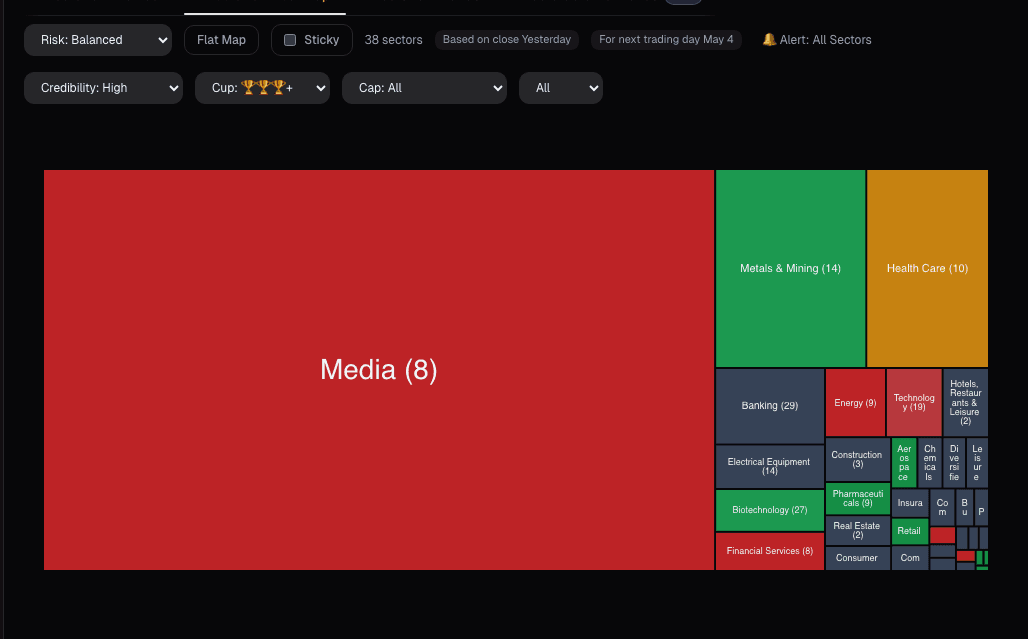
The best semiconductor entries come during the correction phase of the cycle: inventories are elevated, earnings are declining, and sentiment is poor. The universe scanner heatmap will typically show semiconductors deep in the red during these periods, which is the signal to start building positions in companies with strong balance sheets and structural demand tailwinds. History says the next upturn is coming. The cycle has never been broken, only temporarily interrupted.
See it in the app
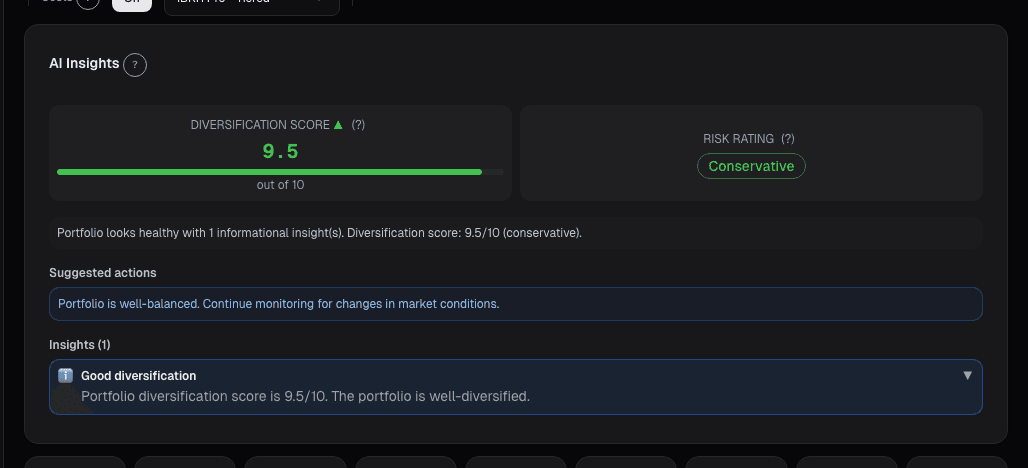
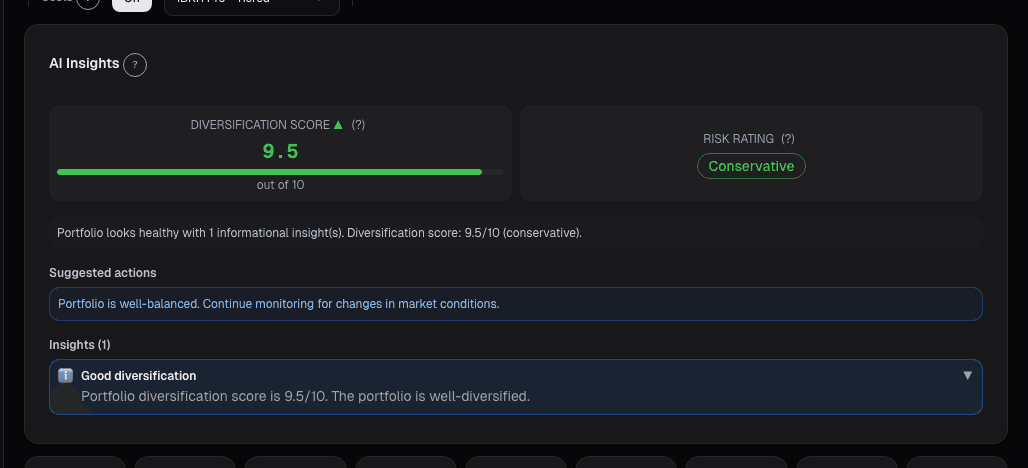
Live dashboard views that match this post. Each tile deep-links to the exact card.
Stocks mentioned
Related reading
How to Analyze Tech Stocks
The financial metrics that separate winning tech investments from hype-driven traps, with frameworks for evaluating SaaS, hardware, and platform businesses.
Consumer Staples as Portfolio Defense
Why consumer staples outperform during downturns, which metrics define quality in the sector, and how to use boring stocks as portfolio insurance.
Defense Stocks: Government Contracts as a Revenue Moat
How defense contractors generate durable revenue through government contracts, and the metrics that matter for analyzing Lockheed Martin, RTX, and their peers.
Energy Stocks and the Commodity Cycle
How commodity price cycles drive energy stock returns, and a framework for timing entries and exits across upstream, midstream, and downstream companies.
Bank Stocks and Interest Rates
Why the simplistic 'higher rates help banks' narrative breaks down, and how to analyze financial stocks through net interest margin, credit quality, and the…
Healthcare Investing: Pharma, Biotech, and the FDA Calendar
A framework for navigating healthcare stocks across pharma, biotech, and medical devices, with emphasis on regulatory catalysts and pipeline valuation.
Ready to try alphactor.ai?
Validate your trading strategies with statistical credibility testing. Start free.
Get Started Free