Market Regimes: Why One Strategy Can't Do Both
How to identify market regimes using volatility, breadth, and trend data, and why adapting your strategy to the current environment separates consistent…
 Marcus Chen4 min read
The Strategy That Stopped Working
In late 2021, buying-the-dip was practically a religion. Every pullback in the S&P 500 resolved higher within days. Momentum strategies printed money. Then 2022 arrived, and the same playbook produced devastating losses. The Nasdaq Composite fell 33% peak to trough. Cathie Wood's ARK Innovation ETF, which had tripled in the prior two years, gave back nearly everything.
The stocks did not change. The regime did.
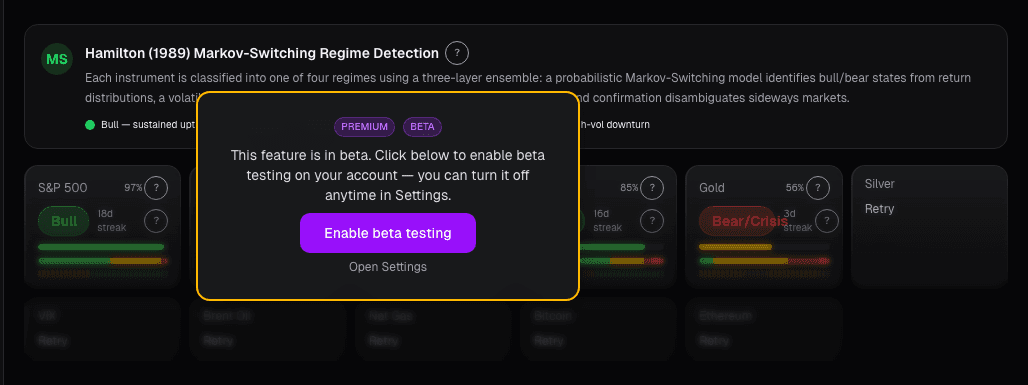
A market regime is the prevailing environment defined by trend direction, volatility level, and the correlation structure between assets. Strategies that exploit momentum thrive in trending, low-volatility regimes. Mean-reversion strategies work in choppy, range-bound markets. Neither works in all conditions, and the failure to recognize regime shifts is one of the most common reasons retail portfolios blow up after an extended winning streak.
The Three Core Regimes
Markets generally operate in one of three states, each with distinct statistical properties.
Trending bull (risk-on): Characterized by rising prices, low and declining volatility (VIX typically below 18), positive breadth, and strong sector participation. Correlations between stocks are relatively low because individual fundamentals drive returns. This regime rewards momentum, growth, and high-beta strategies. The period from mid-2020 through late 2021 was a textbook example.
Trending bear (risk-off): Defined by falling prices, rising volatility, negative breadth, and high correlations. When the VIX spikes above 25 and stays there, nearly everything sells off together. Stock-picking adds little value because the macro wave overwhelms individual stories. Defensive positioning, cash, and short exposure work. The first nine months of 2022 demonstrated this clearly, with the 60/40 portfolio suffering its worst year since the 1930s.
Range-bound (choppy): Prices oscillate without a clear directional trend. Volatility is moderate. Breadth signals are mixed. This is where mean-reversion strategies shine and where trend-followers get whipsawed. Much of 2015 and 2023's first half fell into this category.
How Professionals Detect Regime Changes
Institutional desks do not rely on gut feel. They use quantitative signals that capture the transition between regimes before the damage is done.
Volatility structure: The term structure of the VIX is one of the most reliable indicators. When short-term implied volatility exceeds long-term (a condition called backwardation), the market is in stress mode. The VIX futures curve inverted before every major drawdown of the past 15 years, including February 2018, March 2020, and January 2022.
Moving average alignment: The relationship between the 50-day, 100-day, and 200-day moving averages of the S&P 500 provides a simple regime filter. When all three are rising and properly stacked (50 above 100 above 200), the market is in a trending bull. When they compress and interweave, the market is transitioning. When they invert, the bear is likely in control.
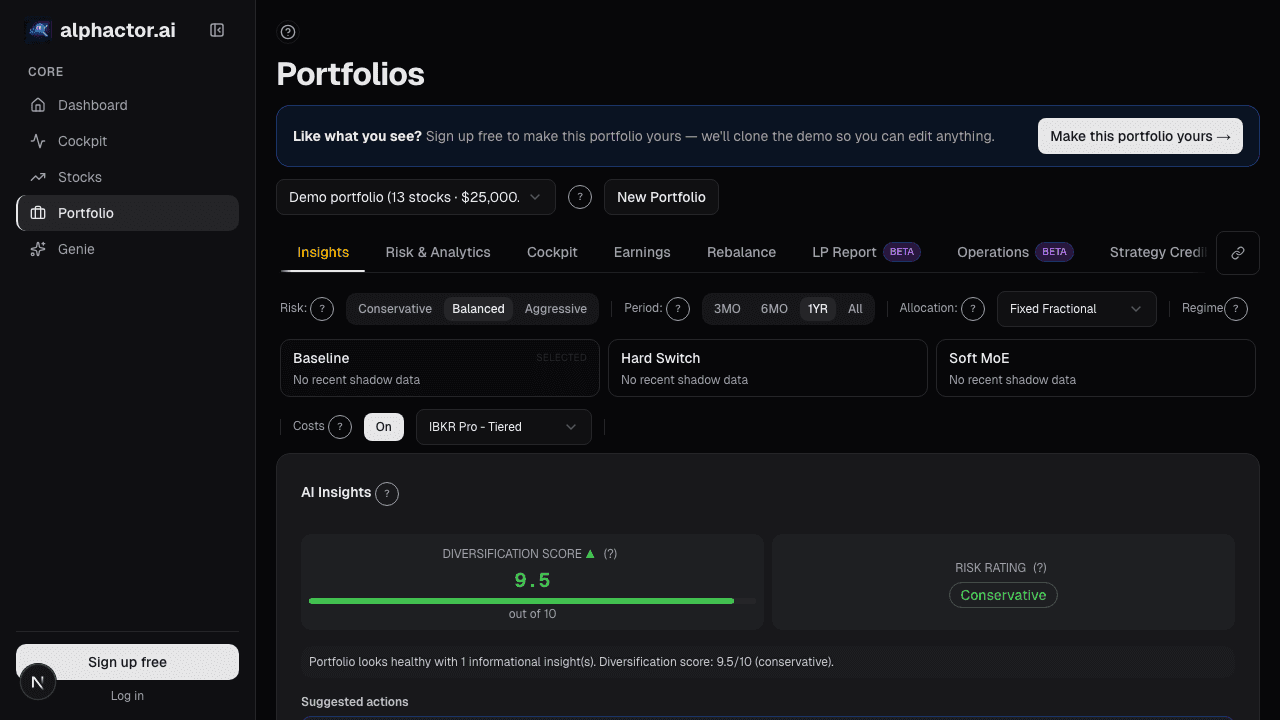
Breadth deterioration: A narrowing market, where the index rises but fewer stocks participate, is a classic late-cycle signal. In the first half of 2023, the S&P 500 rallied over 15%, but the equal-weighted index was roughly flat. Seven mega-cap tech stocks drove essentially all the gains. That kind of narrowing preceded corrections in 1999, 2007, and 2020. The universe scanner makes this visible at a glance by showing sector and stock-level participation in real time.
Adapting Your Strategy
The practical question is not which regime is best, but how to adjust when the regime changes.
In a trending bull, lean into momentum. Hold winners longer. Overweight sectors with positive relative strength. Use Alphactor's sector analysis to identify leadership and ride it.
In a trending bear, reduce exposure and tighten stops. Shift toward quality and low-volatility names. Raise cash. This is not market timing in the pejorative sense; it is risk management based on observable data.
In a choppy market, reduce position sizes and shorten holding periods. Sell strength, buy weakness within established ranges. Watch for a breakout or breakdown that signals the next trending regime.
Why Most Investors Fail at This
The difficulty is not intellectual but psychological. Regime shifts are obvious in hindsight and ambiguous in real time. The transition from trending bull to distribution to trending bear happens gradually, and each pullback along the way looks like another buying opportunity until it is not.
The solution is systematic. Define your regime signals in advance. Know what you will do when the 200-day moving average breaks, when breadth collapses below 50%, when the VIX term structure inverts. Write it down. Alphactor's regime analysis and sentiment dashboard can serve as the dashboard that keeps you honest when the emotional pull of the moment is strongest.
The market does not care about your strategy. It cares about the regime. The investors who survive multiple cycles are the ones who learn to tell the difference.
See it in the app
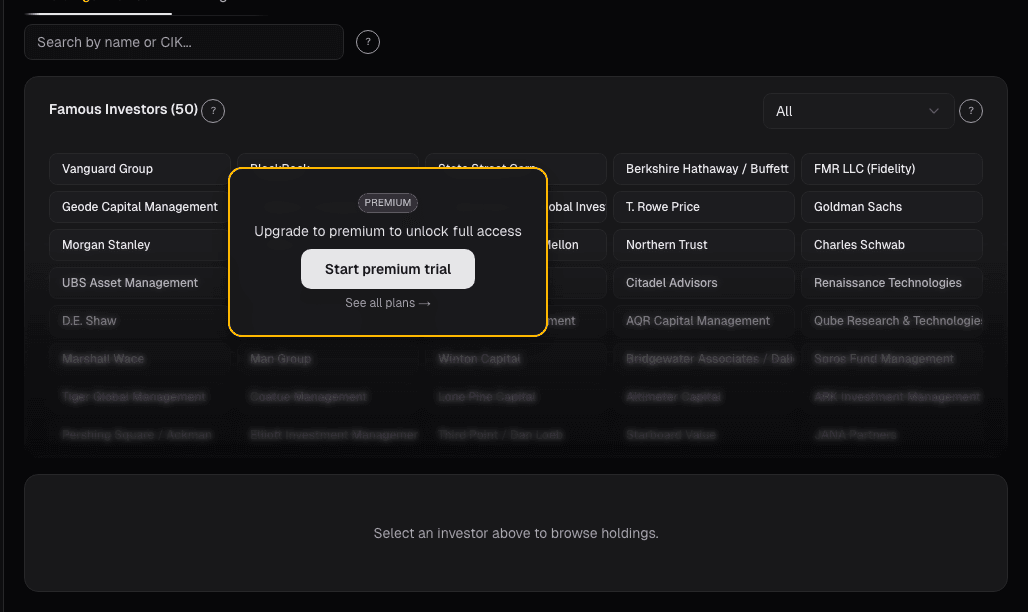
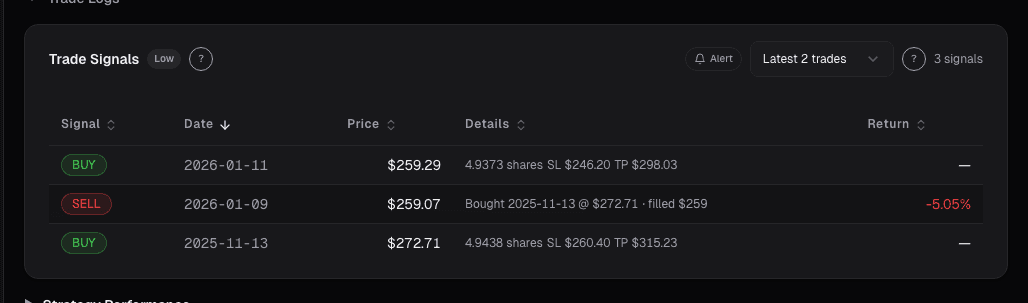
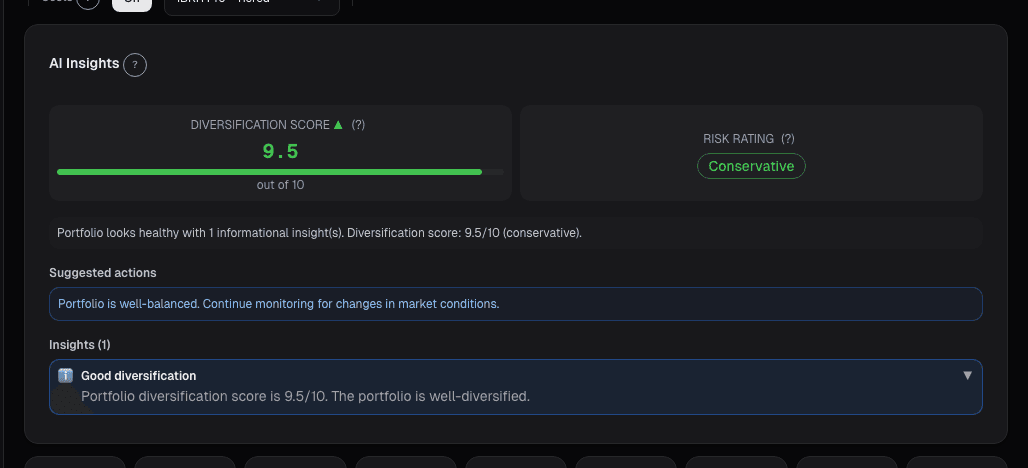
Live dashboard views that match this post. Each tile deep-links to the exact card.
Related reading
Breakout Strategies
A systematic look at breakout trading across 500 stocks over 10 years, with real numbers on win rates, expectancy, and the filters that separate signal from…
Earnings Season Checklist: What to Watch Before, During
A structured approach to earnings season: how to prepare, what metrics matter on the call, and how to interpret post-earnings price action.
Factor Investing in Plain English
Value, momentum, quality, size, and volatility: the five major investment factors explained without jargon, with practical applications for retail portfolios.
Regime-Aware Strategy Selection
Markets cycle through trends, ranges, and shocks. Learn how regime detection drives which strategy runs, and why a mixture of experts beats a single static…
Risk Management for Retail Portfolios
Practical position sizing, stop-loss strategies, correlation awareness, and drawdown limits for retail investors managing their own money.
Ready to try alphactor.ai?
Validate your trading strategies with statistical credibility testing. Start free.
Get Started Free