Keeping a Trading Journal
A trading journal is the cheapest, most effective tool for improving performance. Here is what to track, how to review it, and why most people quit too soon.
 Marcus Chen4 min read
The Tool Nobody Wants to Use
Every experienced trader will tell you to keep a journal. Almost nobody does. The reasons are predictable: it takes time, it is tedious, it forces you to confront mistakes you would rather forget. All of which is precisely why it works.
A trading journal is a feedback loop. Without one, you are running experiments and throwing away the results. You make the same mistakes on a 12-month cycle because you never documented what went wrong the first time. With a journal, patterns become visible. The mistakes that cost you money are almost never random. They cluster around specific conditions, specific emotions, specific times of day. You cannot fix what you cannot see.
What to Record
Most trading journals fail because they track too much or too little. Too much and you abandon it within a week. Too little and it provides no actionable insight. Here is what matters:
For every trade, at entry:
- Ticker, date, and time
- Entry price and position size (both shares and percentage of portfolio)
- The thesis in one to two sentences: why this trade, why now
- Your stop loss or exit criteria
- Your emotional state: a single word is fine (calm, anxious, excited, bored, frustrated)
For every trade, at exit:
- Exit price, date, and time
- P&L in both dollars and percentage of portfolio
- What triggered the exit: stop hit, thesis changed, target reached, or "I panicked"
- What you would do differently with hindsight
Weekly, a brief review:
- Total P&L for the week
- Biggest winner and biggest loser: what drove each
- Any rules you violated and what happened as a result
- One adjustment for the following week
That is it. Five minutes per trade at entry, five minutes at exit, twenty minutes per week for the review. If you cannot commit to that, you are not serious about improving.
The Three Patterns a Journal Reveals
After 30-60 days of consistent journaling, you will start seeing patterns that are invisible in real time. They almost always fall into three categories.
Pattern 1: Time-based mistakes. A shocking number of traders lose money at specific times. Overtrading at the open. Impulsive positions on Friday afternoons. Revenge trading in the last hour after a losing morning. One trader I worked with discovered that 80% of his losses came from trades placed between 3:00 and 4:00 PM. He stopped trading after 3:00 and his monthly returns improved by 4%. Same strategy, same stocks, just fewer hours. Setting trade alerts for your personal danger windows can enforce a cooling-off period before you place another order.
Pattern 2: Emotional leakage. Remember that emotional state field? After a few weeks, correlate it with outcomes. Most traders find that their "excited" trades perform significantly worse than their "calm" trades. Excitement usually means you are chasing. Anxiety usually means the position is too large. Boredom-driven trades are almost universally losers, entered to satisfy the need for action rather than to capture a genuine opportunity.
Pattern 3: Thesis drift. You entered a trade because of a specific catalyst. The catalyst played out (or did not), but you are still in the trade. Why? The journal forces you to confront the gap between your original thesis and your current reason for holding. If those two things do not match, you are in a different trade than the one you planned, and you should reassess.
How to Review Without Lying to Yourself
The hardest part of journaling is not recording the data. It is reviewing it honestly. Your brain will generate explanations that protect your ego. "The market was irrational." "The stop was too tight." "It would have worked if I had held longer."
Counter this with a simple rule: when reviewing a losing trade, describe what happened in third person. "He entered a speculative biotech at 8% of portfolio because he was excited about a phase 2 readout. The stock gapped down 30% on negative results. He had no stop loss. He held three more weeks before selling at a 42% loss." Third person strips out the emotional buffer and exposes the preventable mistake underneath.
The Minimum Viable Journal
If the full framework feels like too much to start, here is the bare minimum that still generates value: after every trade, write one sentence explaining why you entered and one sentence explaining why you exited. Do this for 30 days straight.
At the end of 30 days, read all of your entries in one sitting. You will find at least two patterns that are costing you money. That alone will justify the time investment for the rest of your trading career.
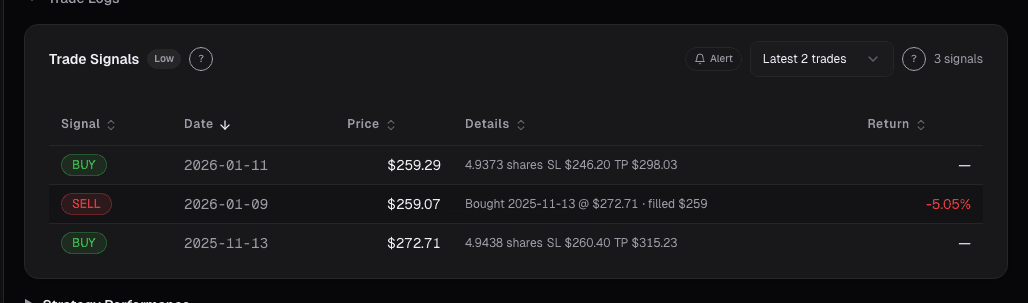
Your portfolio dashboard can automate the quantitative side of journaling, logging entry and exit prices, P&L, and position sizes automatically. But the qualitative side, the thesis, the emotional state, the hindsight review, only you can provide. The combination of quantitative data and qualitative reflection is where the real insight lives.
Why People Quit
Most traders start a journal and abandon it within two weeks. The early entries are painful to read. The traders who push through that discomfort stop making those same mistakes. The ones who quit keep paying the same tuition, semester after semester, and never graduate.
The habit is boring. The results are not.
See it in the app
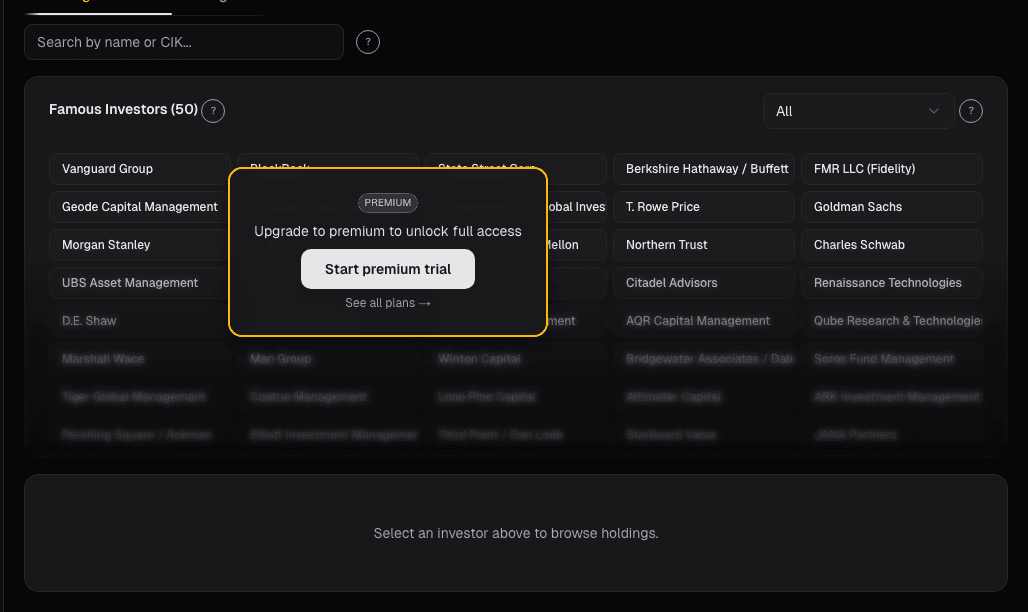
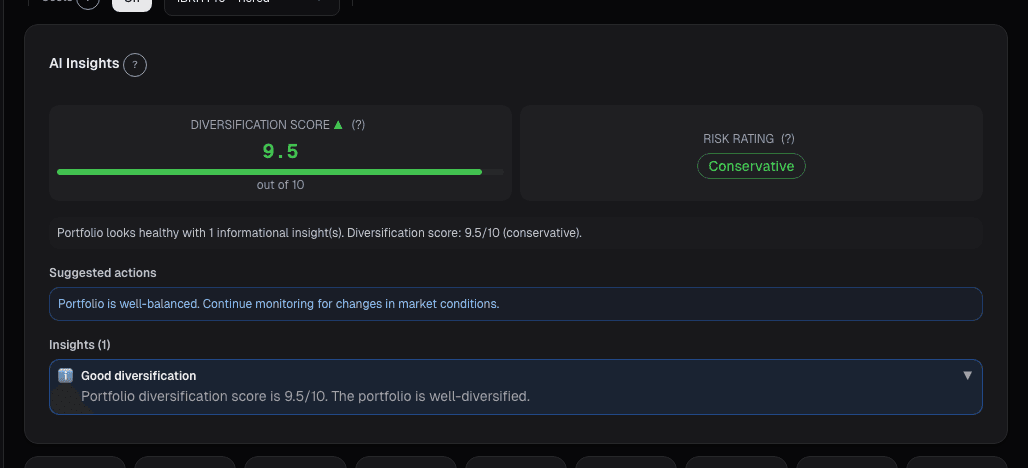
Live dashboard views that match this post. Each tile deep-links to the exact card.
Related reading
A 30% Drawdown Requires a 43% Gain to Recover
A 30% drawdown requires a 43% gain to recover. The asymmetric math explained, with sizing rules to prevent one bad trade from permanently impairing the account.
Knowing Your Emotional Triggers Isn't Soft: It's Edge
Emotional self-awareness is not a personality exercise. It is a concrete trading advantage that reduces costly mistakes and protects capital.
Paper Trading Order History
Most traders have no idea what their actual edge looks like. An honest, complete order history is where that knowledge lives, reviewed weekly, it reveals…
The Quarterly Portfolio Review Checklist
A structured quarterly review process covering performance attribution, risk assessment, thesis validation, and rebalancing decisions.
Revenge Trading: How One Bad Day Becomes a Bad Month
Revenge trading is the single fastest way to turn a manageable loss into a catastrophic one. Here is how it works and how to break the cycle.
Ready to try alphactor.ai?
Validate your trading strategies with statistical credibility testing. Start free.
Get Started Free