Part of: Risk Management
Revenge Trading: How One Bad Day Becomes a Bad Month
Revenge trading is the single fastest way to turn a manageable loss into a catastrophic one. Here is how it works and how to break the cycle.
 Marcus Chen4 min read
The Pattern
It starts the same way every time. A trade goes against you. Not a small loss, the kind you shrug off, but a meaningful one. Maybe you held too long. Maybe you sized too big. Maybe the market gapped against you overnight. The specific cause does not matter. What matters is the feeling: a hot, urgent need to make it back. Right now.
So you take another trade. Not because the setup is good, but because you need to recover. You skip your normal process. You ignore the position sizing rules you wrote down last month. You enter something you would not have touched an hour ago because the P&L screen is red and you need it to be green.
That trade also loses. Now you are deeper in the hole and the urgency doubles. You take a third trade, then a fourth, each one less considered than the last. By the end of the day, a manageable 2% portfolio loss has become 8%. By the end of the week, you have undone a quarter's worth of gains.
This is revenge trading. It is the single most common way that disciplined traders destroy their own accounts.
Why Your Brain Betrays You
Revenge trading is not a character flaw. It is a neurological response. Loss aversion, documented by Kahneman and Tversky, shows that humans experience losses roughly twice as intensely as equivalent gains. When you take a significant loss, your amygdala triggers a fight-or-flight response. Your prefrontal cortex gets suppressed. Your brain shifts into a mode optimized for immediate threat response, not complex probability assessment.
In this state, you are physiologically incapable of making good trading decisions. Your risk perception is distorted. Your time horizon shrinks to minutes. A study in the Journal of Finance found that individual investors who experienced large losses traded 50% more frequently in the following week, with significantly worse outcomes.
The Compounding Effect
Revenge trading does not just add losses. It compounds them through several mechanisms:
Increased position sizing. To recover faster, you size up. If a normal position is 3% of your portfolio, a revenge trade might be 8% or 10%. This means the next loss is proportionally larger, which increases the desperation, which increases the sizing. It is a feedback loop designed to blow up accounts.
Abandoning edge. Every profitable trader has a specific set of conditions under which their strategy works. Revenge trading throws those conditions out the window. You are not trading your system anymore. You are trading your emotions, and emotions have a negative expected value.
Correlated losses. Revenge trades tend to cluster. If your initial loss came from a tech stock selling off, your revenge trades are likely to be more tech stocks, because that is what you were watching. Now you have tripled your exposure to whatever caused the first loss.
I saw this play out at a fund in 2015. A portfolio manager took a large loss on a Chinese internet stock. Over the next three days, he doubled down on four other Chinese internet names to "make it back." China's market correction wiped out all four positions simultaneously. A 4% loss became a 19% loss. He was let go within the month.
Breaking the Cycle
The most effective intervention is also the simplest: stop trading after a significant loss. Not forever. Just for the rest of the day, or the rest of the session. The goal is to create a gap between the emotional trigger and the next trading decision.
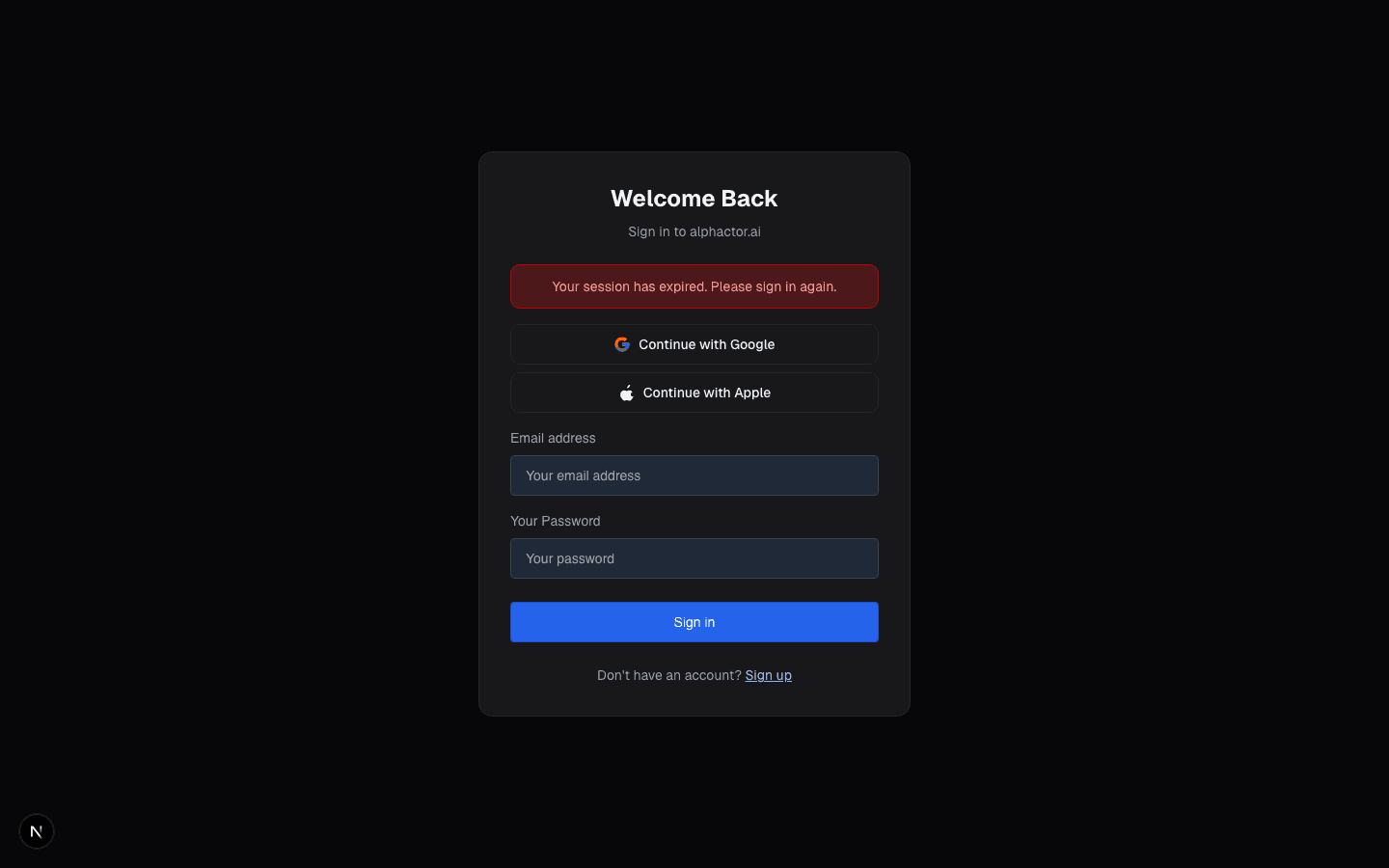
Establish a daily loss limit. Before the market opens, decide the maximum amount you are willing to lose in a single day. A common number is 1-2% of portfolio value. If you hit that number, close everything and walk away. No exceptions, no "one more trade." Setting trade alerts to flag when you approach your daily limit gives you a trigger to step back before the damage is done.
Make the next trade harder to execute. After a loss, require yourself to write down the setup, the thesis, and the sizing rationale before entering. If you cannot articulate why the trade exists independently of your need to recover, it is a revenge trade. Kill it.
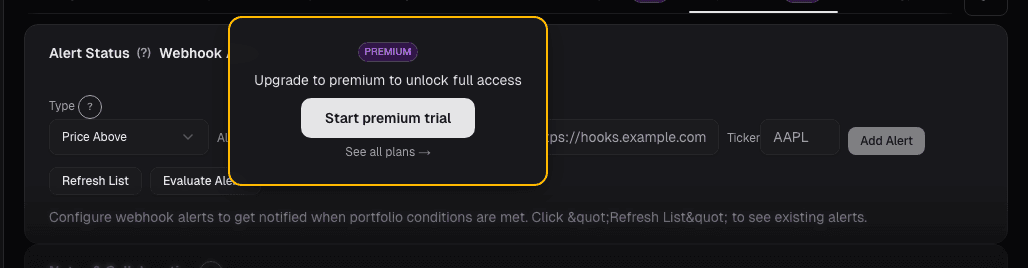
Track your post-loss behavior. Keep a log of every trade you take within 24 hours of a significant loss. Your portfolio dashboard timestamps every entry so you can filter for post-loss trades and see the pattern in black and white. For most traders, this review is devastating. Seeing that your post-loss trades have a negative expected value is often enough to change the behavior permanently.
Pre-commit to a cooldown rule. Write it down. "After any loss exceeding 1.5% of portfolio, I do not trade for the remainder of the session." Tell someone about the rule. Making it social increases accountability.
The Uncomfortable Truth
Revenge trading feels like fighting back. It feels like agency, like refusing to accept a loss. In reality, it is the market's most reliable mechanism for separating undisciplined traders from their capital. The loss that triggered the revenge trade was random. The losses from revenge trading are self-inflicted.
The best traders I worked with all shared one trait: they could take a loss and do nothing. Not because they did not care, but because they understood that the worst possible response to a bad trade is another trade taken for the wrong reason.
Doing nothing after a loss is not passive. It is the hardest, most disciplined trade you will ever make.
See it in the app
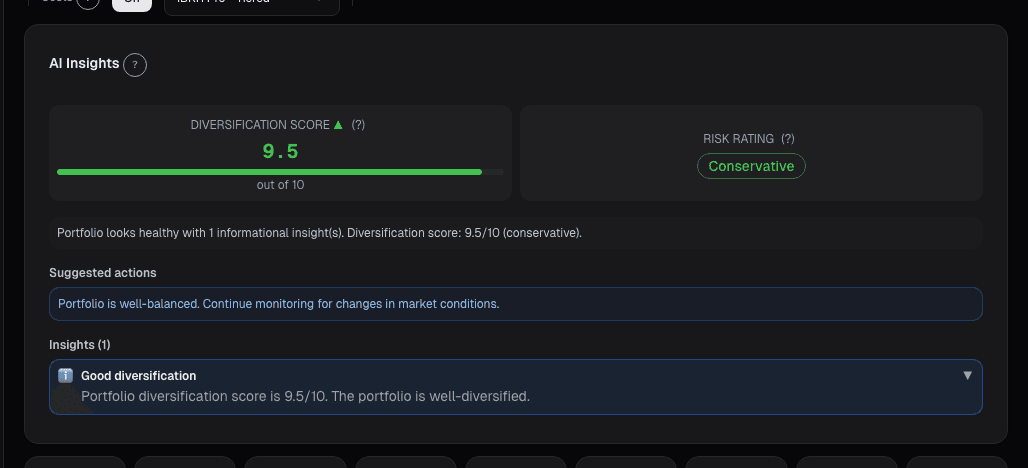
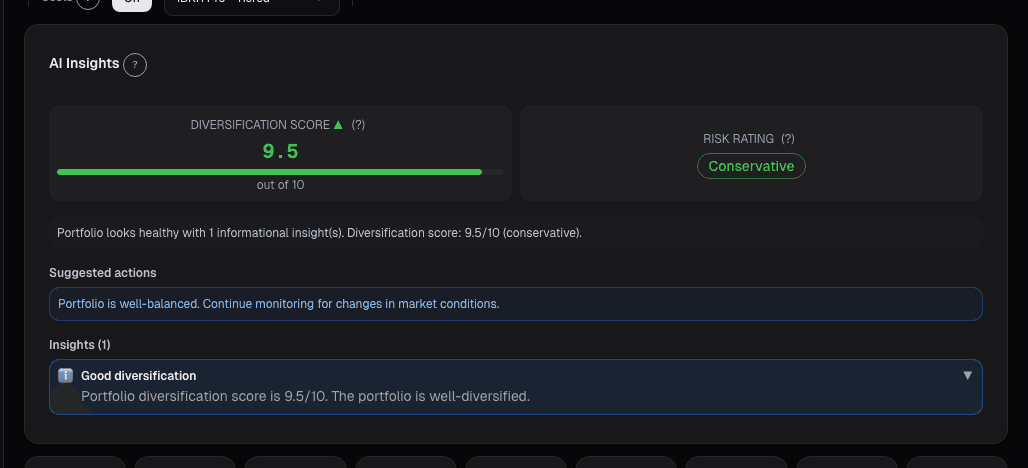
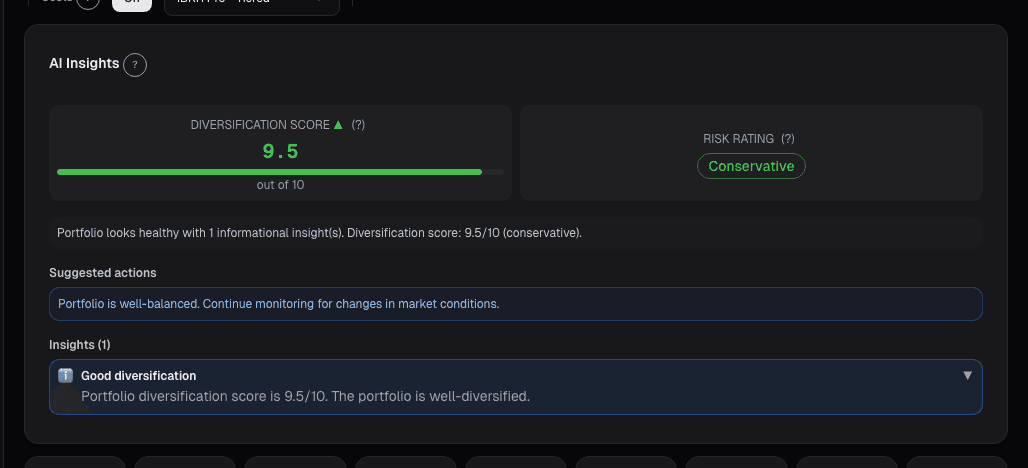
Live dashboard views that match this post. Each tile deep-links to the exact card.
Related reading
A 30% Drawdown Requires a 43% Gain to Recover
A 30% drawdown requires a 43% gain to recover. The asymmetric math explained, with sizing rules to prevent one bad trade from permanently impairing the account.
Knowing Your Emotional Triggers Isn't Soft: It's Edge
Emotional self-awareness is not a personality exercise. It is a concrete trading advantage that reduces costly mistakes and protects capital.
Portfolio Earnings: Calendar, Exposure
Earnings risk is about the whole book into the week, not each position. When 40% of NAV reports in one week, and 60% of that is in a single sector, you're…
Factor Exposure
Factor exposures are bets whether or not you chose them. Decomposition surfaces unintentional tilts before a rotation exposes them as underperformance.
Keeping a Trading Journal
A trading journal is the cheapest, most effective tool for improving performance. Here is what to track, how to review it, and why most people quit too soon.
Ready to try alphactor.ai?
Validate your trading strategies with statistical credibility testing. Start free.
Get Started Free