Part of: Fundamental Analysis
How Earnings Season Actually Moves Markets
Why the market's reaction to earnings reports depends on guidance, positioning, and expectations far more than the headline EPS number.
 Sarah Patel4 min read
The Paradox of Beating Estimates
In Q3 2023, Amazon reported earnings per share of $0.94 against a consensus estimate of $0.58, a 62% beat. The stock surged 5% after hours. That same quarter, Alphabet beat EPS estimates by 11%, and the stock dropped 6% the following day. Both companies exceeded expectations. The outcomes were opposite.
If you trade earnings based solely on whether a company beats or misses the consensus estimate, you are playing with an incomplete map. Since 2000, roughly 75% of S&P 500 companies have beaten EPS estimates in any given quarter. The beat rate itself is nearly meaningless because the real game happens around guidance, whisper numbers, positioning, and the narrative surrounding each report.
The Estimate Game
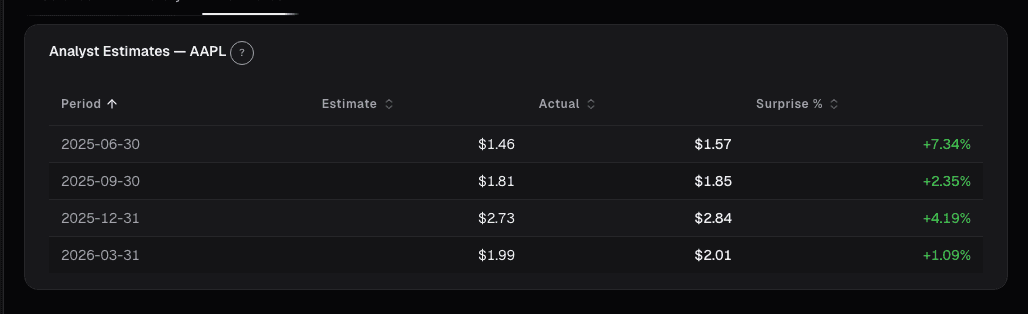
Sell-side analysts set their published estimates months in advance, then quietly revise them as the quarter progresses. Companies manage expectations through pre-announcements, conference presentations, and carefully worded commentary. By the time earnings day arrives, the published consensus number is often stale.
What matters more is the whisper number: the buy-side's actual expectation, which is typically higher than the published consensus. When a company beats the published estimate but misses the whisper, the stock sells off, and headlines declaring "stock drops despite earnings beat" confuse retail investors who did not know the whisper existed.
Tracking estimate revisions in the weeks leading up to the report reveals whether expectations are quietly rising or falling. The earnings calendar highlights upcoming reports alongside recent estimate trends, giving you context before you are surprised by a post-earnings gap.
Guidance Is the Main Event
For most companies, the forward guidance delivered during the earnings call matters more than the backward-looking results. A company can report a strong quarter and see its stock crater because management lowered next-quarter revenue expectations. Conversely, a mediocre quarter paired with a guidance raise often sends shares higher.
Consider Meta Platforms in Q4 2022. The company reported a revenue decline and massive losses in its metaverse division. But Mark Zuckerberg announced a "year of efficiency" with significant cost cuts, and the stock rallied 23% the following day. The guidance narrative, that spending would come under control, overwhelmed the reported results.
This is why reading earnings transcripts, not just the headline numbers, is essential. Management tone, capital allocation commentary, and margin guidance contain the information that drives the multi-day post-earnings move. The initial after-hours reaction is often noise that reverses by the following session.
The Positioning Setup
Institutional positioning going into earnings determines the magnitude and direction of the price reaction. When hedge funds are heavily short a stock and it reports even modestly better results, the resulting short squeeze can produce an outsized rally. GameStop in early 2021 was the extreme case, but smaller versions play out every earnings season.
Options market positioning also matters. When implied volatility is extremely elevated going into earnings, the options market is pricing in a large move. If the results are merely in line, implied volatility collapses (a phenomenon called "vol crush"), and options lose value regardless of direction. This is why selling options into earnings can be profitable even without a directional view.
Conversely, when implied volatility is unusually low before a report, the options market is underpricing risk. These are the setups where earnings surprises produce explosive moves that far exceed the expected range.
Sector Contagion Effects
Individual earnings reports do not exist in isolation. When a bellwether company reports, it sets the tone for its entire sector. When TSMC reported strong results and raised capital expenditure guidance in January 2024, the entire semiconductor supply chain, from ASML to Applied Materials, moved higher before reporting their own numbers.
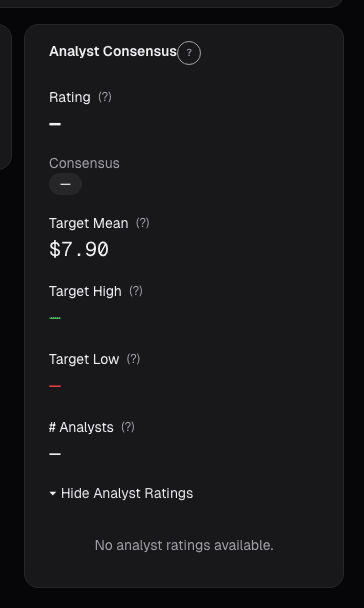
This contagion effect creates opportunities. If you track Alphactor's sector analysis during earnings season, you can identify which sectors are seeing positive or negative earnings trends before the lagging reporters confirm it. The first few companies to report in a sector reveal the demand environment that later reporters will confirm or contradict.
A Framework for Earnings Season
Rather than gambling on individual reports, approach earnings season as an information-gathering exercise. Track three things for every report you follow: the estimate revision trend going in, the guidance direction coming out, and the sector implications for peer companies.
Use the first week of each earnings season to listen. Banks report first and reveal credit conditions. Then industrials and transports show you the real economy. Tech and consumer discretionary come later and tell you about forward spending. By the second week, you have a mosaic that is far more valuable than any single EPS number.
The sentiment dashboard lets you track this mosaic in real time. The investors who consistently profit from earnings season are not the ones who guess whether a company will beat. They are the ones who understand what the market already expects and position for the gap between expectation and reality.
See it in the app
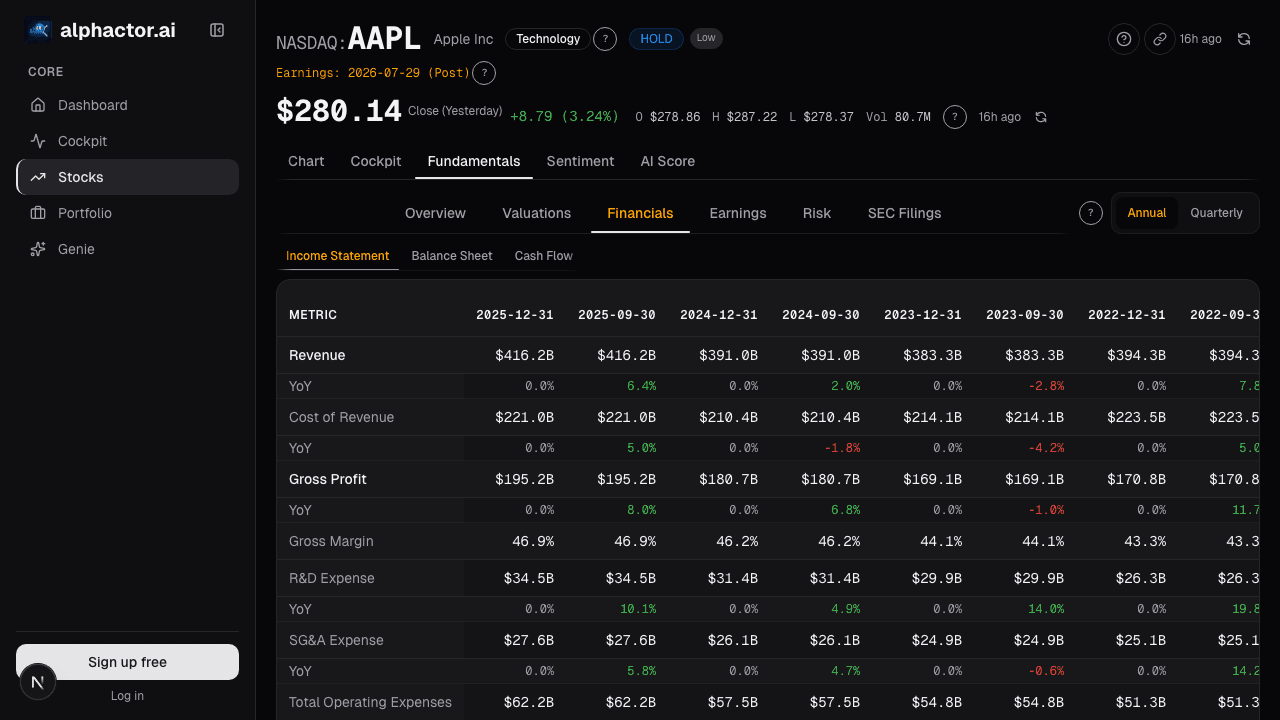
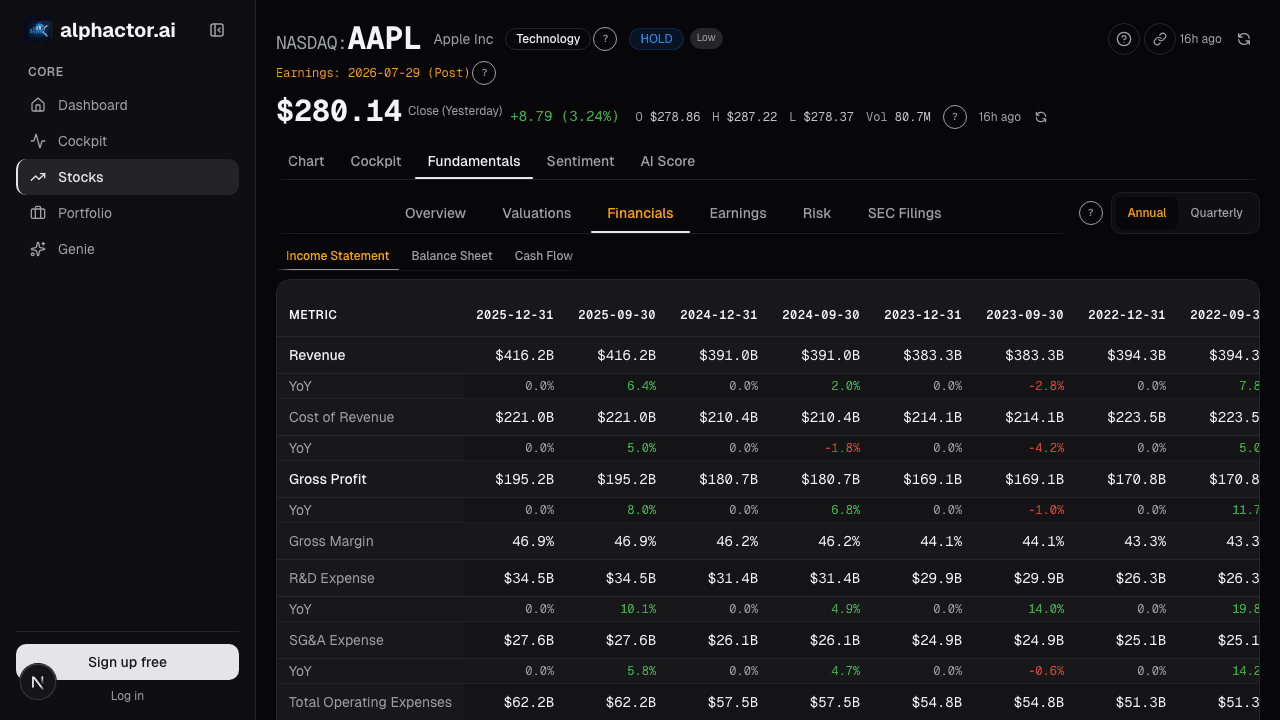
Live dashboard views that match this post. Each tile deep-links to the exact card.
Stocks mentioned
Related reading
Accruals Quality: How to Spot Earnings That Aren't Real
Accruals measure the gap between reported earnings and actual cash. Widening accruals is one of the most reliable red flags in financial analysis, Sloan's…
Earnings History
Each stock has an earnings personality. Twelve quarters of per-ticker history reveals beat-miss cadence and drift patterns that aggregate statistics mask.
Earnings Season Checklist: What to Watch Before, During
A structured approach to earnings season: how to prepare, what metrics matter on the call, and how to interpret post-earnings price action.
How Fed Policy Actually Affects Your Stock Portfolio
A practical guide to understanding how interest rate decisions, quantitative tightening, and Fed communication move equity markets at the sector and stock…
Portfolio Earnings: Calendar, Exposure
Earnings risk is about the whole book into the week, not each position. When 40% of NAV reports in one week, and 60% of that is in a single sector, you're…
Small Cap vs Large Cap: When Size Matters in Stock Selection
The historical performance gap between small and large cap stocks, when each segment leads, and how to use market conditions to decide where to allocate.
Ready to try alphactor.ai?
Validate your trading strategies with statistical credibility testing. Start free.
Get Started Free