Part of: Technical Analysis
What the Options Market Tells You About Stock Direction
How to read implied volatility, put/call ratios, unusual activity, and gamma exposure to extract directional signals from the options market.
 Jake Morrison4 min read
The Market Within the Market
On September 12, 2023, three days before Arm Holdings was scheduled to price its IPO, unusual options activity spiked in SoftBank, Arm's parent company. Call volume surged to five times the normal daily average. The following week, Arm priced its IPO at $51 and opened trading at $56.10. SoftBank shares rallied on the news.
The options market had been broadcasting the signal days before the event. This happens constantly. Options traders, many of them institutional participants with informational advantages, express their views through derivative markets that are less visible to the average investor. Learning to read these signals gives you access to a layer of market intelligence that most retail investors ignore entirely.
Implied Volatility as Expectation
Implied volatility (IV) is the options market's consensus estimate of how much a stock will move over a given time period. It is not a forecast of direction, but of magnitude. When IV is elevated, the market expects a big move. When it is compressed, the market expects calm.
The actionable insight comes from comparing current IV to its historical range. When a stock's IV percentile is above 80 (meaning current IV exceeds its level 80% of the time over the past year), the options market is pricing in an unusual event: an earnings report, a regulatory decision, a product launch. These elevated IV periods often represent opportunity, either to sell premium if you believe the expected move is overstated, or to use the signal as an early warning that something material is approaching.
Conversely, unusually low IV (below the 20th percentile) means the market is complacent. These are the environments where unexpected news produces the largest price moves relative to what options had priced in. The VIX, which measures S&P 500 implied volatility, was at 12 in January 2018 before the sudden 10% correction. The options market was not pricing in the possibility of that move, which is precisely what made it so disruptive.
Put/Call Ratios and Directional Lean
The ratio of put volume to call volume reveals the aggregate directional positioning of options traders. But the signal varies depending on which ratio you use.
Equity-only put/call ratio: Captures retail and institutional positioning on individual stocks. A five-day moving average above 0.85 suggests elevated fear and has historically been a contrarian buy signal. Below 0.55 suggests excessive complacency.
Index put/call ratio: Reflects institutional hedging activity. Index puts are primarily bought by portfolio managers as insurance. A spike in the index put/call ratio often coincides with market lows because it means institutions are aggressively hedging, which typically happens after, not before, significant declines. Their panic hedging has historically marked the point of maximum fear.
Single-stock skew: The difference in implied volatility between out-of-the-money puts and out-of-the-money calls for an individual stock. When put skew is elevated, the market is pricing in more downside risk than upside risk. When call skew is elevated, the opposite. Monitoring skew changes around earnings can reveal whether smart money expects the surprise to be positive or negative.
Unusual Activity and Information Asymmetry
Large, concentrated options trades in individual stocks are one of the most direct signals of informed positioning. When someone buys $5 million in short-dated, out-of-the-money calls on a mid-cap biotech company, they are either reckless or informed. Over a large sample, these trades have predictive value.
Key filters for identifying meaningful unusual activity: the trade should be large relative to normal volume (5x or more), it should involve short-dated options (suggesting time-sensitive information), and it should be bought at the ask (indicating urgency). Sweeps, where a large order is split across multiple exchanges simultaneously, suggest institutional or informed flow.
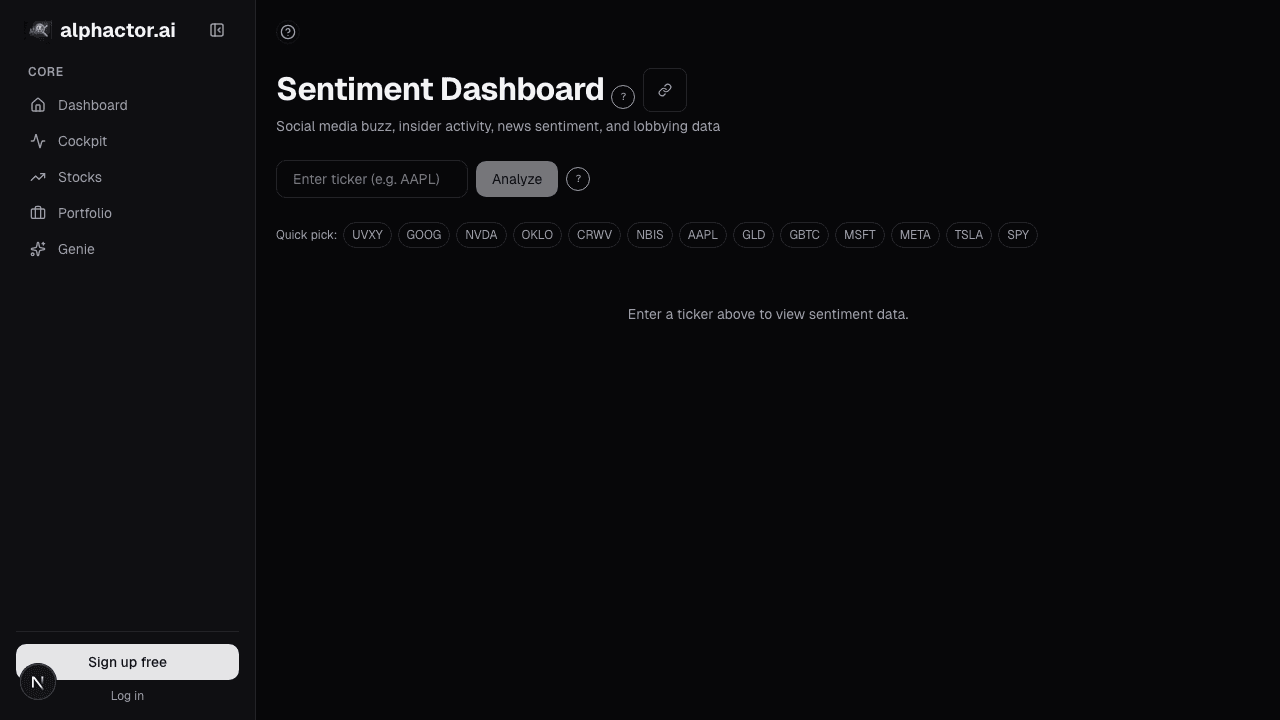
The sentiment dashboard incorporates options flow data, helping you identify when unusual positioning is building in stocks on your watchlist. A sudden spike in call buying on a stock you follow is not a guarantee, but it is a data point worth incorporating.
Gamma Exposure and Mechanical Price Levels
Dealer gamma exposure creates mechanical price levels. When dealers are long gamma, they hedge by selling rallies and buying dips, dampening volatility. When short gamma, they do the opposite, amplifying moves in both directions.
The "gamma flip" level, where dealer positioning switches from long to short, often acts as a pivot. Below it, volatility expands and directional moves accelerate. Above it, mean-reversion dominates. The January 2022 sell-off accelerated sharply once the S&P 500 fell below its gamma flip level, as negative gamma amplified downside moves.
Incorporating Options Intelligence
You do not need to trade options to benefit from options market data. Treat implied volatility, put/call ratios, unusual activity, and gamma exposure as additional inputs to your stock analysis. When the options market is telling a different story than the stock chart, the options market is often right because the participants are often better capitalized and better informed.
Check IV percentile before entering a new position. Monitor unusual activity for stocks on your watchlist. Track the aggregate put/call ratio for market-level timing. Use the Alphactor charts to overlay implied volatility on price action so you can spot divergences at a glance. These signals will not replace fundamental analysis, but they will sharpen your timing and alert you to information asymmetries you would otherwise miss.
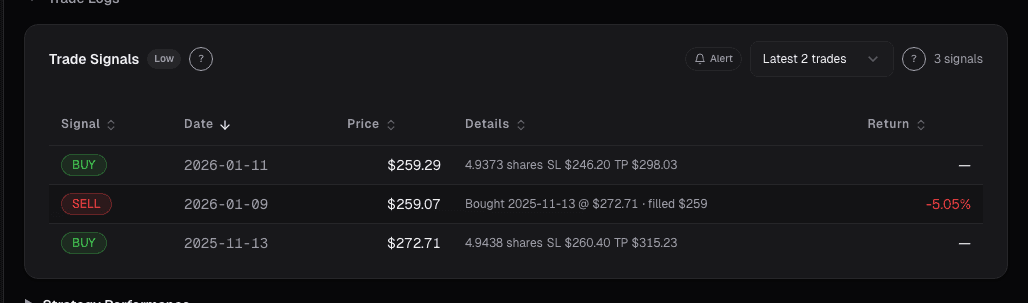
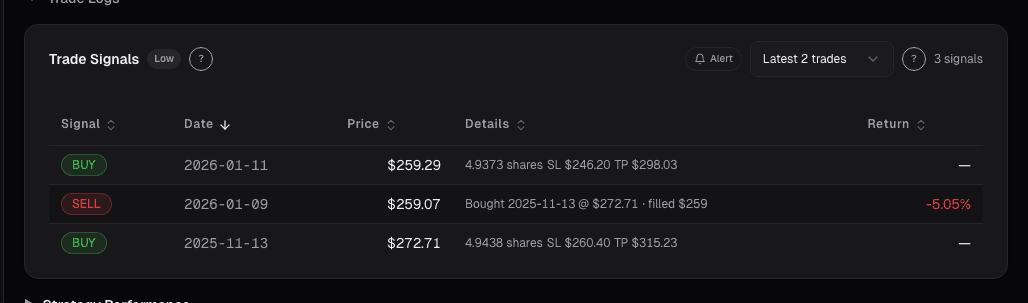
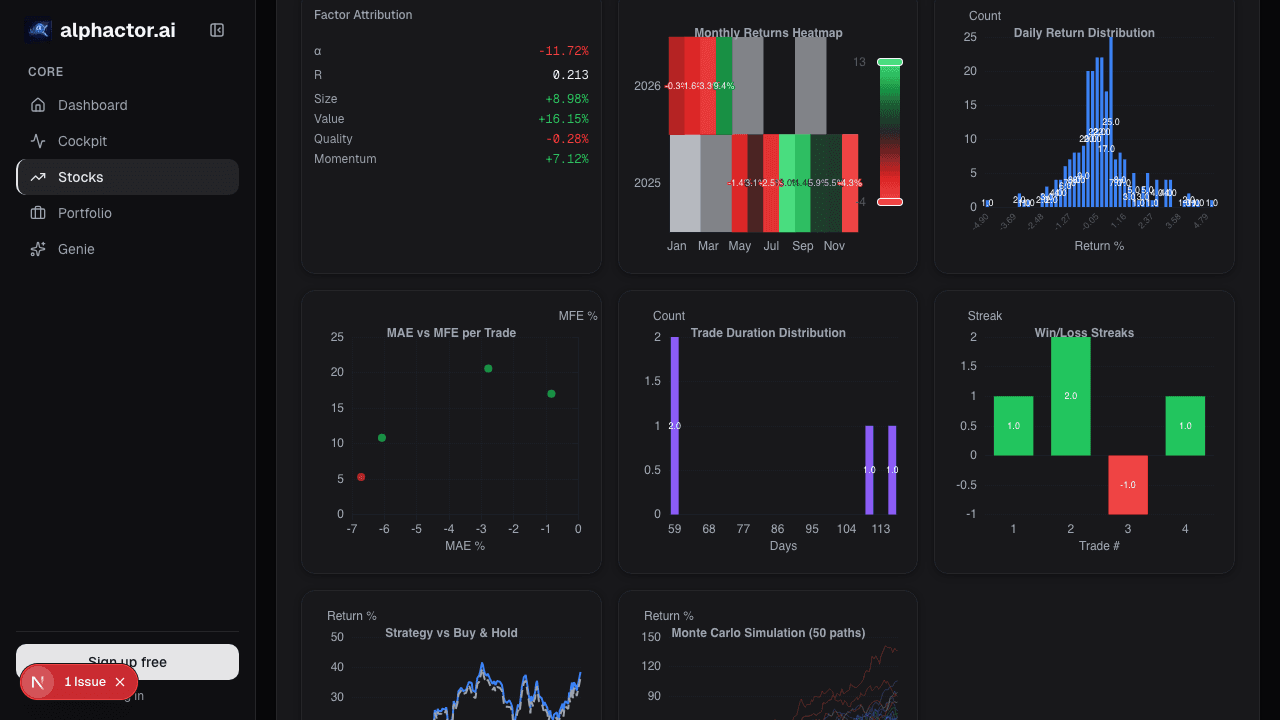
See it in the app
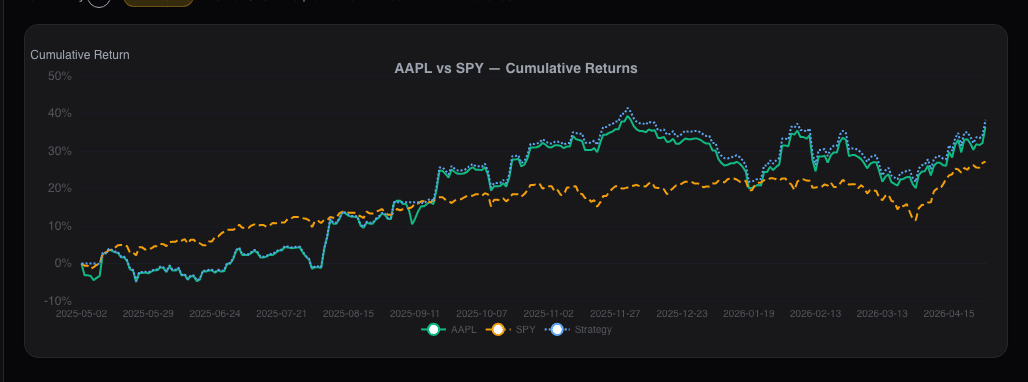
Live dashboard views that match this post. Each tile deep-links to the exact card.
Stocks mentioned
Related reading
Market Breadth: The Health Check Most Investors Skip
How advance-decline lines, new highs-lows, and participation rates reveal whether a rally is built on solid ground or propped up by a handful of stocks.
Gamma Exposure (GEX): How Dealer Hedging Shapes Every Move
Positive vs negative gamma regimes change how the market reacts to shocks. Same tape, same headline, the path depends on whether dealers are damping moves…
IV Rank, IV Percentile, and Skew
IV rank, IV percentile, and 25-delta skew answer three different volatility questions. Together they drive trade structure, sell strangles, buy calls, or exit.
Open Interest Magnets
Pinning isn't mysticism, it's observable dealer hedging flow that drags spot toward concentrated-OI strikes into Friday close.
Unusual Options Activity
What qualifies as 'unusual' isn't raw volume, it's volume relative to open interest, aggressor side, and time-to-expiration.
Stock Market Seasonality: Which Calendar Effects Still Work?
An evidence-based look at the January effect, sell-in-May, the Santa Claus rally, and other seasonal patterns, separating the ones that still hold from…
Ready to try alphactor.ai?
Validate your trading strategies with statistical credibility testing. Start free.
Get Started Free