Part of: Fundamental Analysis
How to Analyze a Company Before Earnings in 15 Minutes
A 15-minute pre-earnings checklist covering guidance revisions, balance sheet flags, and estimate dispersion using Alphactor tools: no deep-dive report needed.
 Sarah Patel4 min read
The 15-Minute Pre-Earnings Check
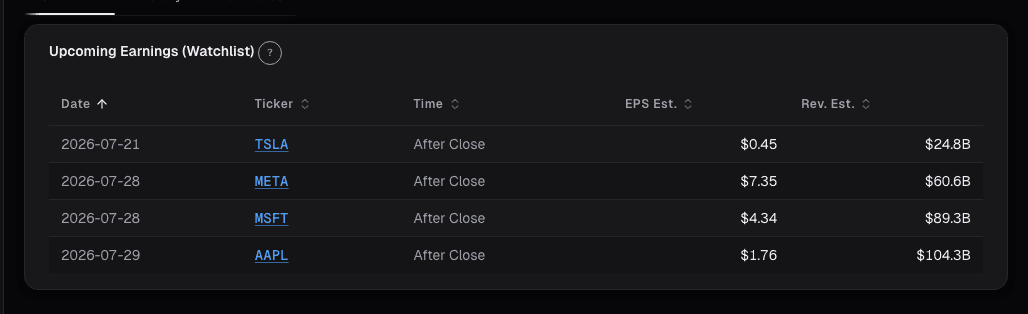
If you hold individual stocks, you need a process for evaluating each position before earnings. Not a deep-dive report -- a focused checklist that helps you decide whether to hold, trim, or add. Start by checking what is coming up on the earnings calendar, then follow this 15-minute workflow.
Minutes 1-3: Check the Setup
Open the stock's detail page in Alphactor. Start with three quick reads:
- Conviction score and trend: Is the score rising, falling, or flat over the past 30 days? A falling score heading into earnings suggests the quantitative data has been deteriorating. A rising score means the data backdrop is favorable.
- Price action into earnings: Look at the 1-month chart. Is the stock running up into earnings (expectations are high and priced in) or pulling back (expectations are muted, creating a lower bar to clear)?
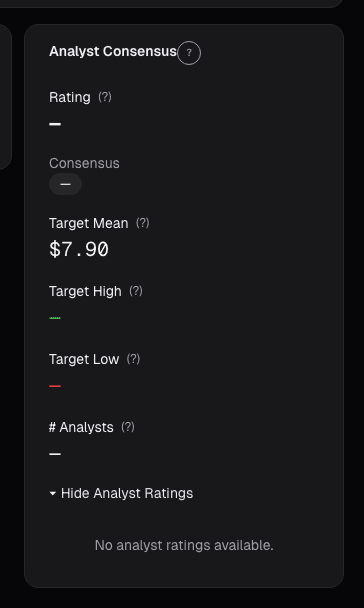
- Consensus estimates: Check the revenue and EPS consensus estimates on the fundamentals view. Note the range between the highest and lowest analyst estimate. A wide range means high uncertainty, which usually means a bigger post-earnings move in either direction.
Minutes 3-7: Review Fundamental Trends
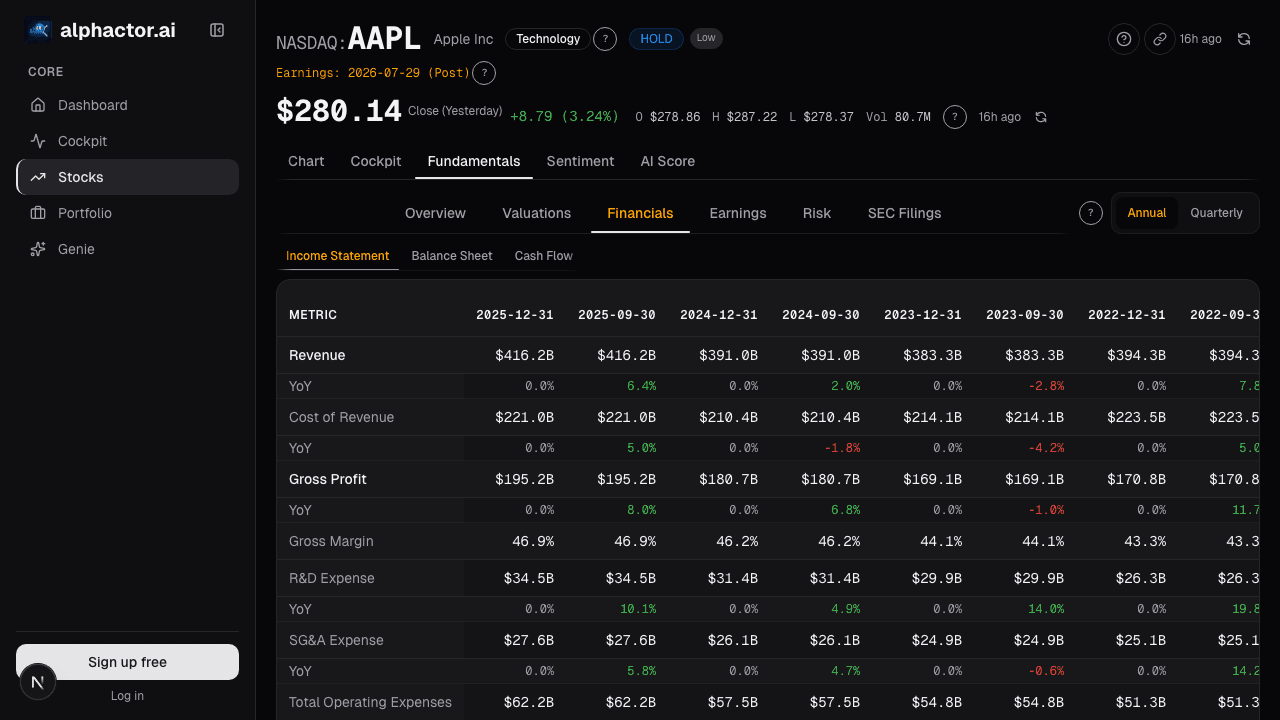
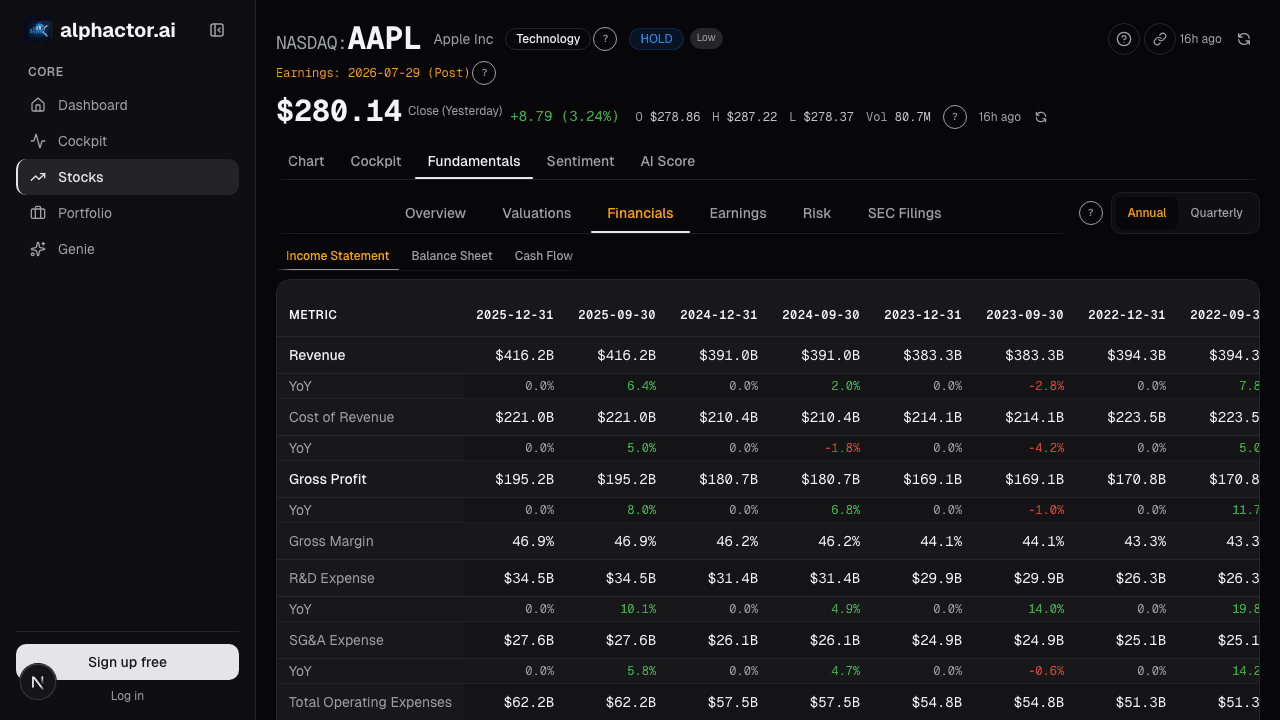
Navigate to the Fundamentals tab and look at multi-quarter trends, not just the most recent quarter:
- Revenue growth trajectory: Is growth accelerating, decelerating, or stable? A company guiding for 20% growth that has delivered 22%, 21%, 19%, 17% over the last four quarters has a decelerating trend that consensus estimates may not fully reflect.
- Margin direction: Are gross margins and operating margins expanding or contracting? Margin expansion generally drives earnings beats even if revenue comes in at consensus. Margin contraction does the opposite.
- Free cash flow vs. earnings: Compare reported earnings to free cash flow over the last four quarters. If earnings have been growing but free cash flow has not, the quality of earnings is lower and the stock is more vulnerable to a miss.
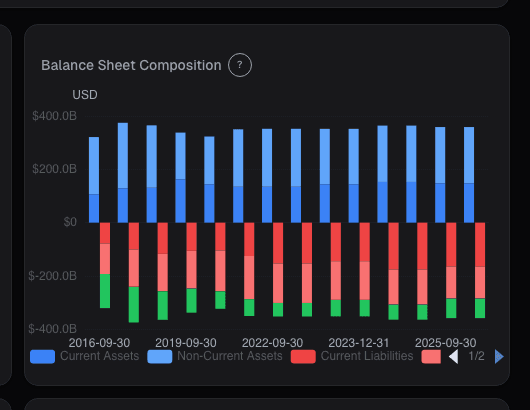
- Balance sheet changes: Check if debt has increased significantly. Rising debt can fund growth or signal cash flow problems, and context matters.
Write down one sentence summarizing the fundamental trend. Something like: "Decelerating revenue growth, stable margins, strong FCF conversion." This becomes your baseline for evaluating the actual results.
Minutes 7-10: Check Institutional and Insider Activity
Navigate to the Alternative Data section on the stock's detail page:
- Recent 13F changes: Open the 13F view filtered to this stock. Are institutional investors accumulating or trimming ahead of earnings? Increased institutional buying in the most recent quarter is a mildly positive signal.
- Insider transactions: Check for insider sales in the last 90 days. Clustered selling by multiple insiders before earnings warrants attention.
- Congressional trades: Check for recent congressional activity related to the stock's sector. Pre-earnings trades by lawmakers with relevant committee memberships are worth noting.
Minutes 10-13: Assess the Risk-Reward
Now put it together. Ask yourself three questions:
What does the market expect? If the stock has rallied 15% into earnings and analysts have been raising estimates, the bar is high. Even a beat might get a "sell the news" reaction. If the stock is flat and estimates have been stable, a modest beat could move the price.
What is my thesis, and does this earnings report test it? If you own a stock because you believe in a new product cycle, this quarter's revenue growth and management commentary on adoption will either support or weaken that thesis. Know which metrics to watch.
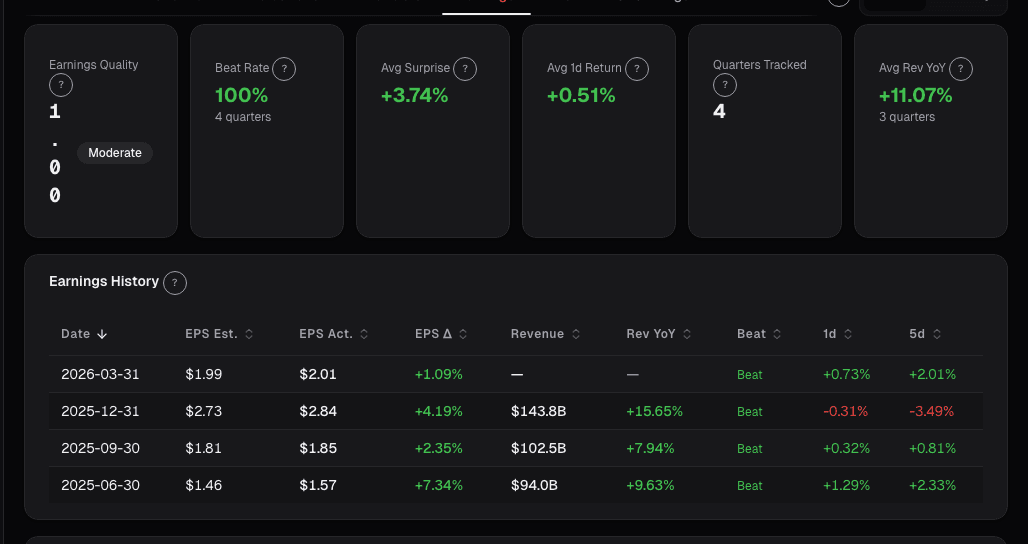
What is the worst reasonable outcome? Think through what a miss would look like and how far the stock could fall. If a 10% post-earnings decline would not change your long-term thesis, holding through earnings makes sense. If it would push the position below your stop-loss and you have no conviction to add, trimming before earnings reduces that risk.
Minutes 13-15: Make Your Decision and Document It
Based on the above, choose one of three actions:
- Hold full position: Your thesis is intact, the fundamental trend supports it, and you are comfortable with the post-earnings risk.
- Trim before earnings: Reduce position size to limit downside while keeping exposure to a potential upside surprise.
- Add before earnings: The setup is favorable, expectations are low, and you have conviction in a beat. Only do this if you can afford to be wrong.
Write your decision and a one-sentence rationale as a note on the position in your portfolio dashboard. After earnings, compare the actual results to your pre-earnings assessment. Over time, this creates a feedback loop that sharpens your judgment about when to hold, trim, or lean in.
After Earnings: The Quick Follow-Up
Once results are released, compare actuals to your framework: Did revenue and earnings beat or miss? Did margins move in the direction you expected? Did guidance change the forward outlook?
Update your thesis note and adjust your position if the results changed anything material. The goal is not to predict earnings correctly every time -- it is to have a process that reduces emotional decision-making when the numbers drop.
See it in the app
Live dashboard views that match this post. Each tile deep-links to the exact card.
Stocks mentioned
Related reading
Accruals Quality: How to Spot Earnings That Aren't Real
Accruals measure the gap between reported earnings and actual cash. Widening accruals is one of the most reliable red flags in financial analysis, Sloan's…
Altman Z-Score: A Bankruptcy Predictor That Still Works
Edward Altman's 1968 discriminant model predicts bankruptcy within two years about 72% of the time at its distress threshold.
Balance Sheet Deep Dive
Balance sheet changes lead income statements by 2-6 quarters. Net debt, receivables days, and goodwill are the lines that move stocks first.
Earnings History
Each stock has an earnings personality. Twelve quarters of per-ticker history reveals beat-miss cadence and drift patterns that aggregate statistics mask.
Earnings Season Checklist: What to Watch Before, During
A structured approach to earnings season: how to prepare, what metrics matter on the call, and how to interpret post-earnings price action.
How to Export Your Research and Share It With Your Team
A guide to exporting stock research, portfolio data, and screening results from Alphactor for collaboration and record-keeping.
Ready to try alphactor.ai?
Validate your trading strategies with statistical credibility testing. Start free.
Get Started Free